
A Marriage Between Neuroscience & Economics
Neuroeconomics and Caring Economics
Another bridge that Tania Singer has built in her 30+ year scientific career is between neuroscience and economics.
While she was working in London, she began to collaborate with economists to better understand human social interactions and cooperation. Here, she was the first to introduce game theoretic paradigms from economics into a scanner environment to measure brain activity in cooperative behavior.
Subsequently, during her time as Professor in Zurich, she held the first neuroeconomics chair in Europe. Later, in Germany, she and the macroeconomist Dennis Snower set up the Caring Economics research project, which explored how psychology and neuroscience could replace the old concepts of the Homo economicus and inform new economic models.


“How selfish soever man may be supposed, there are evidently some principles in his nature, which interest him in the fortune of others.”
Adam Smith, The Theory of Moral Sentiments (1759)
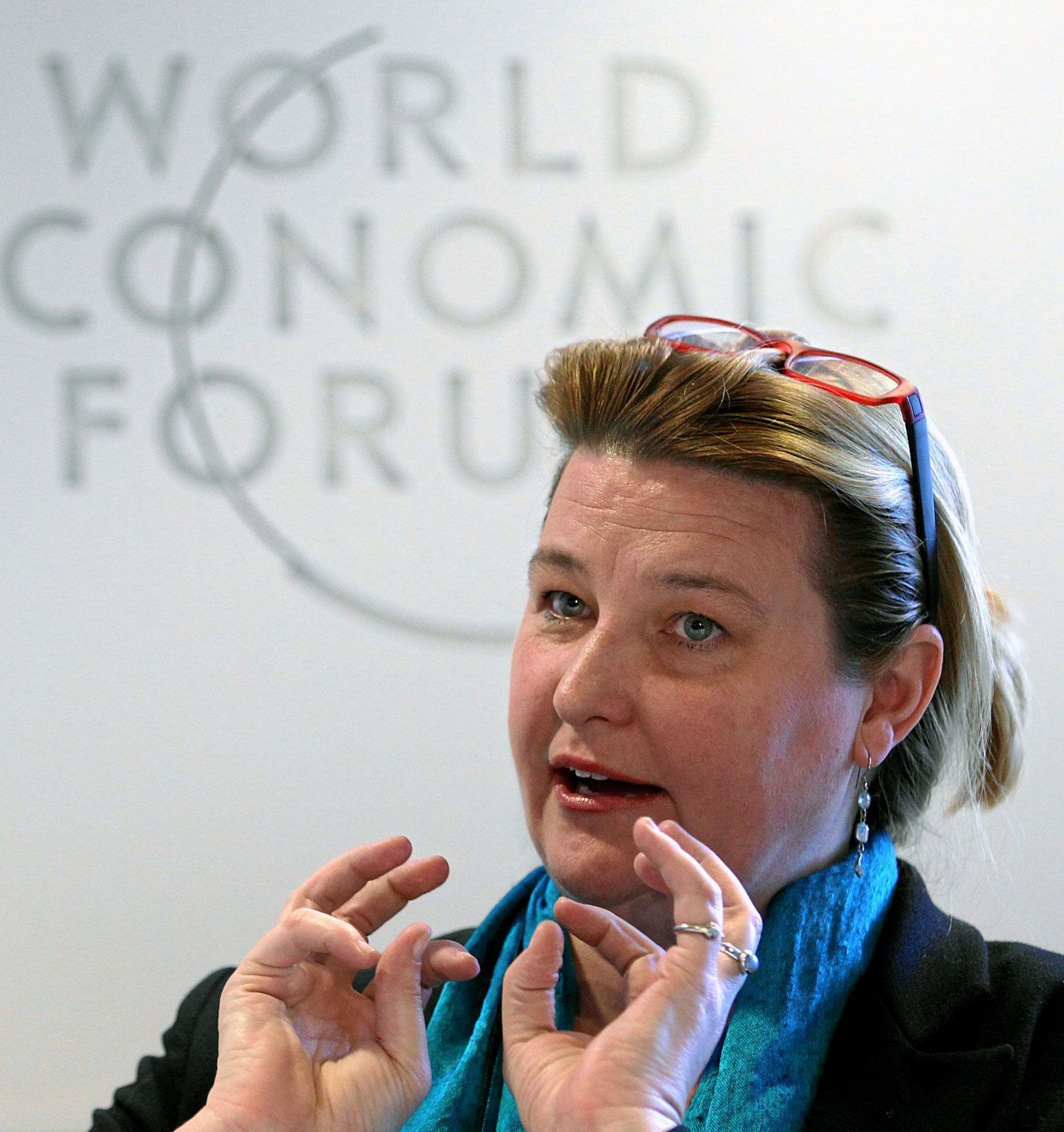
Presentations at the WEF, the OECD and the Global Economic Symposium
Neuroscience Meets Economics
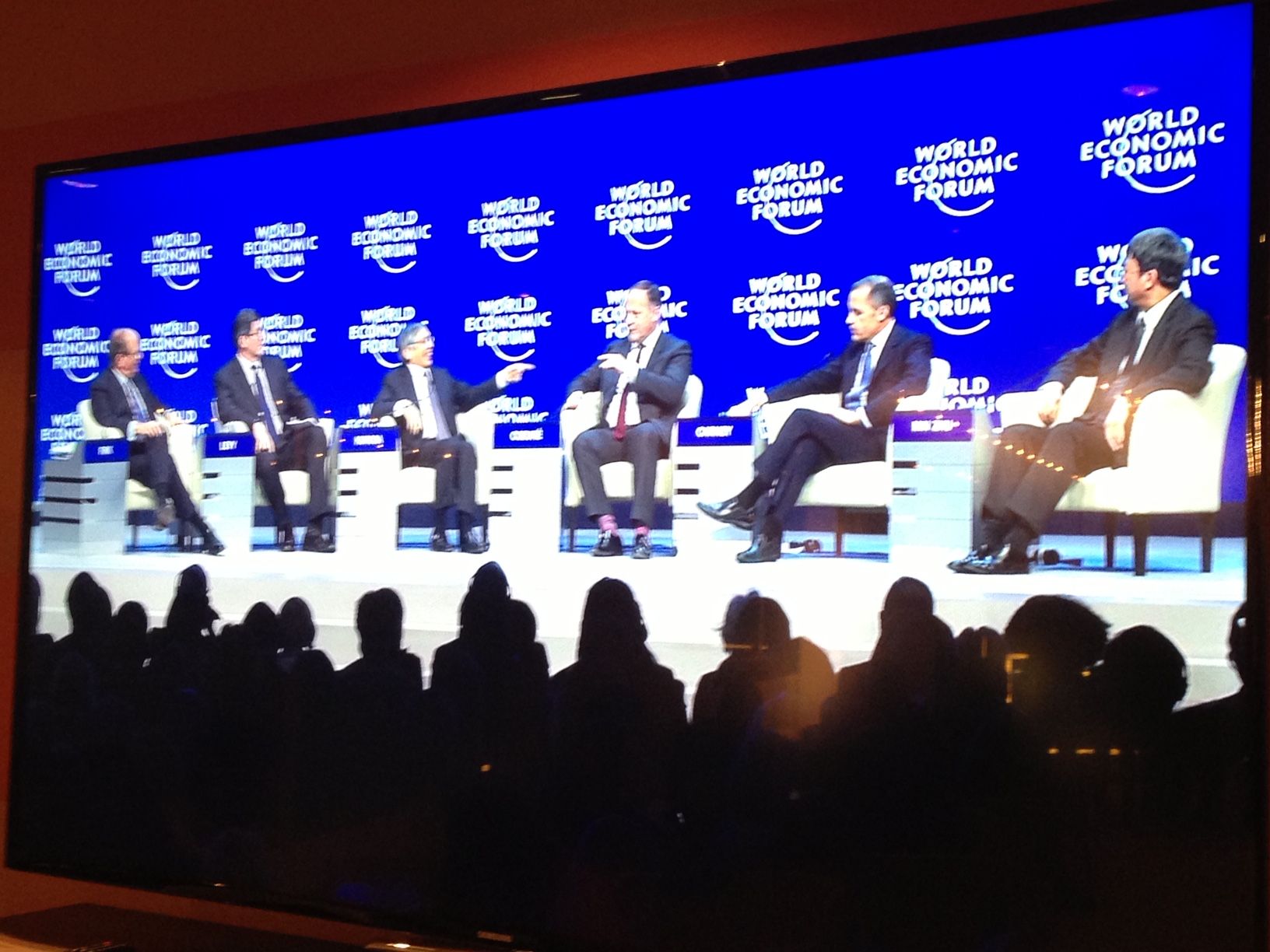
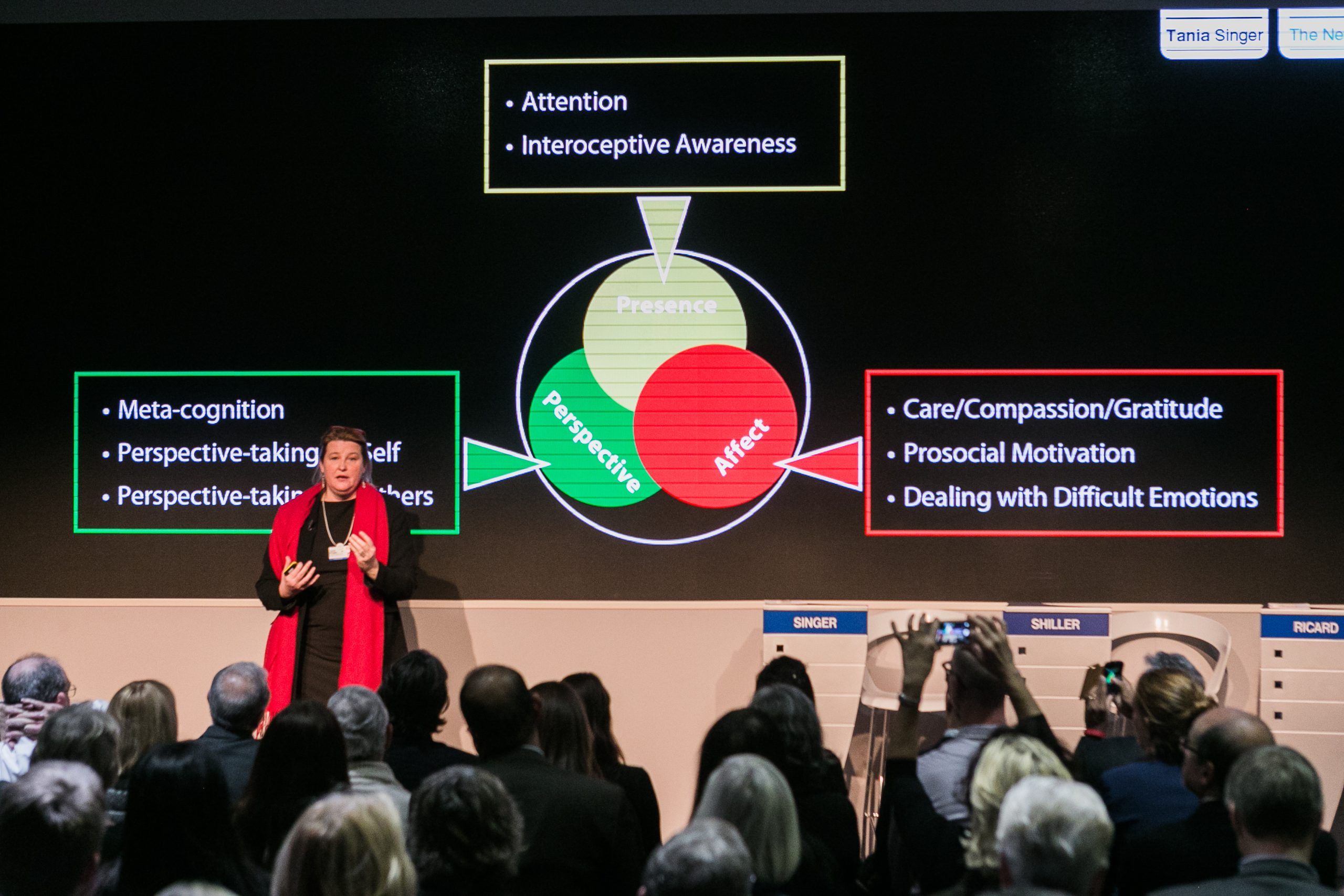
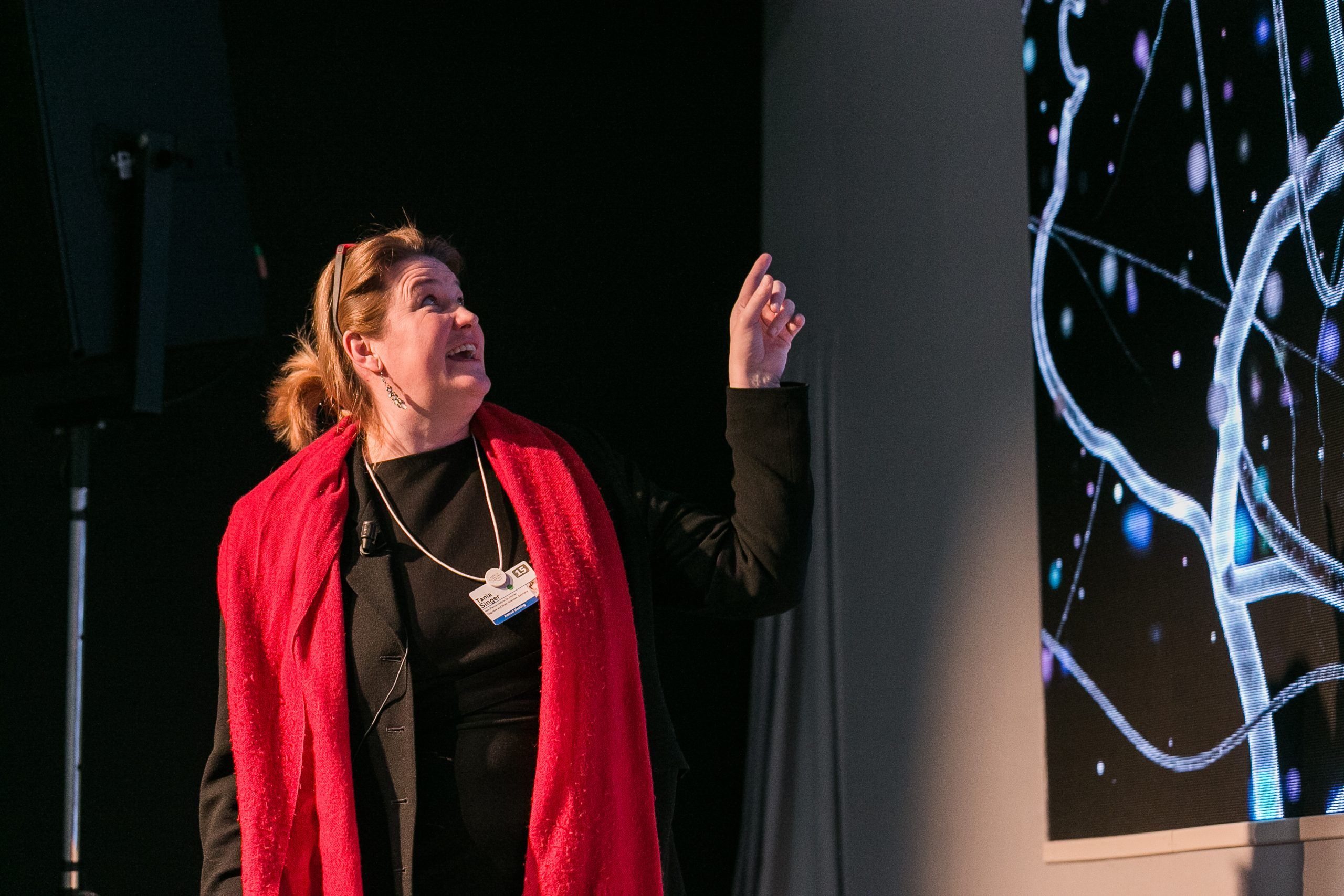
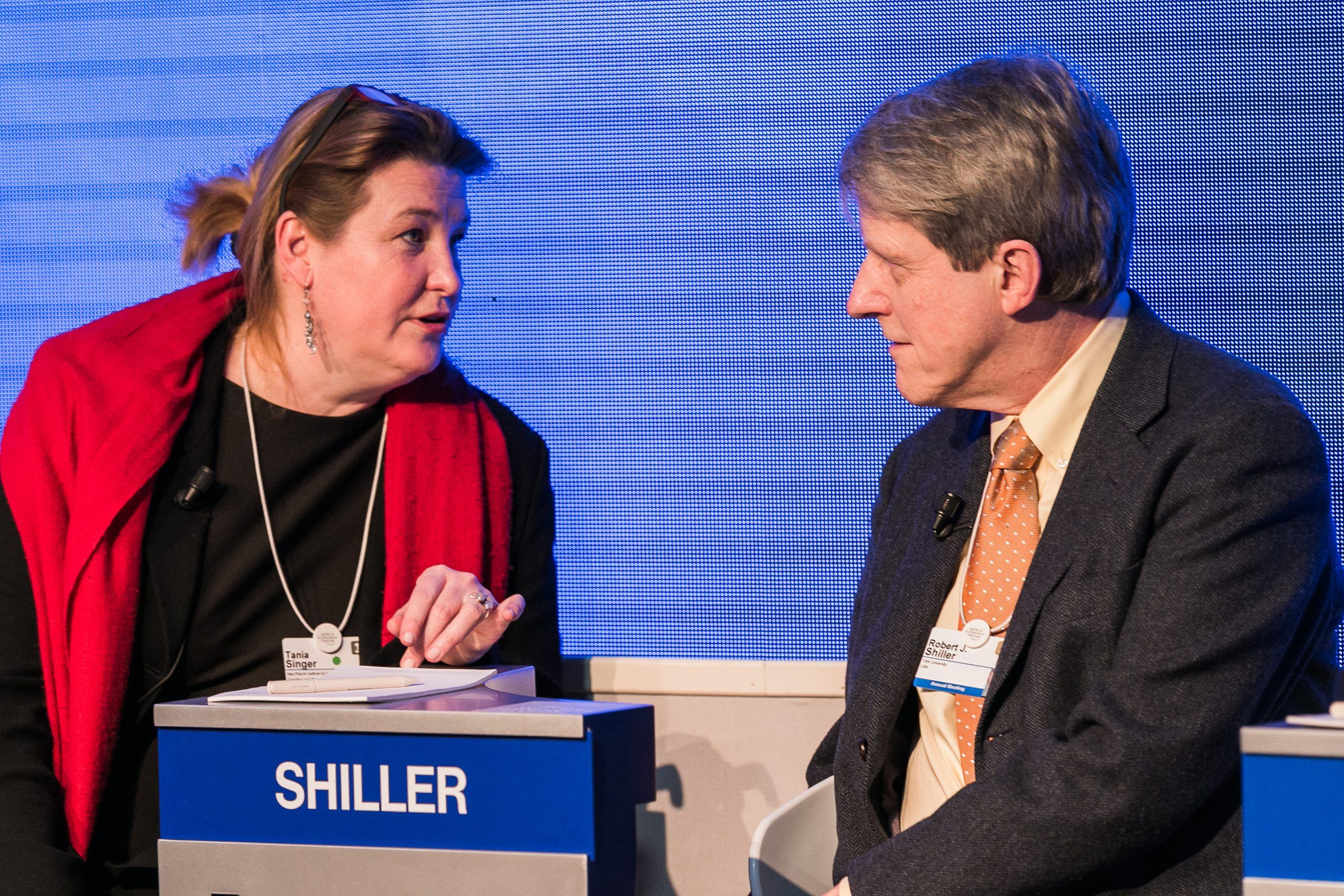
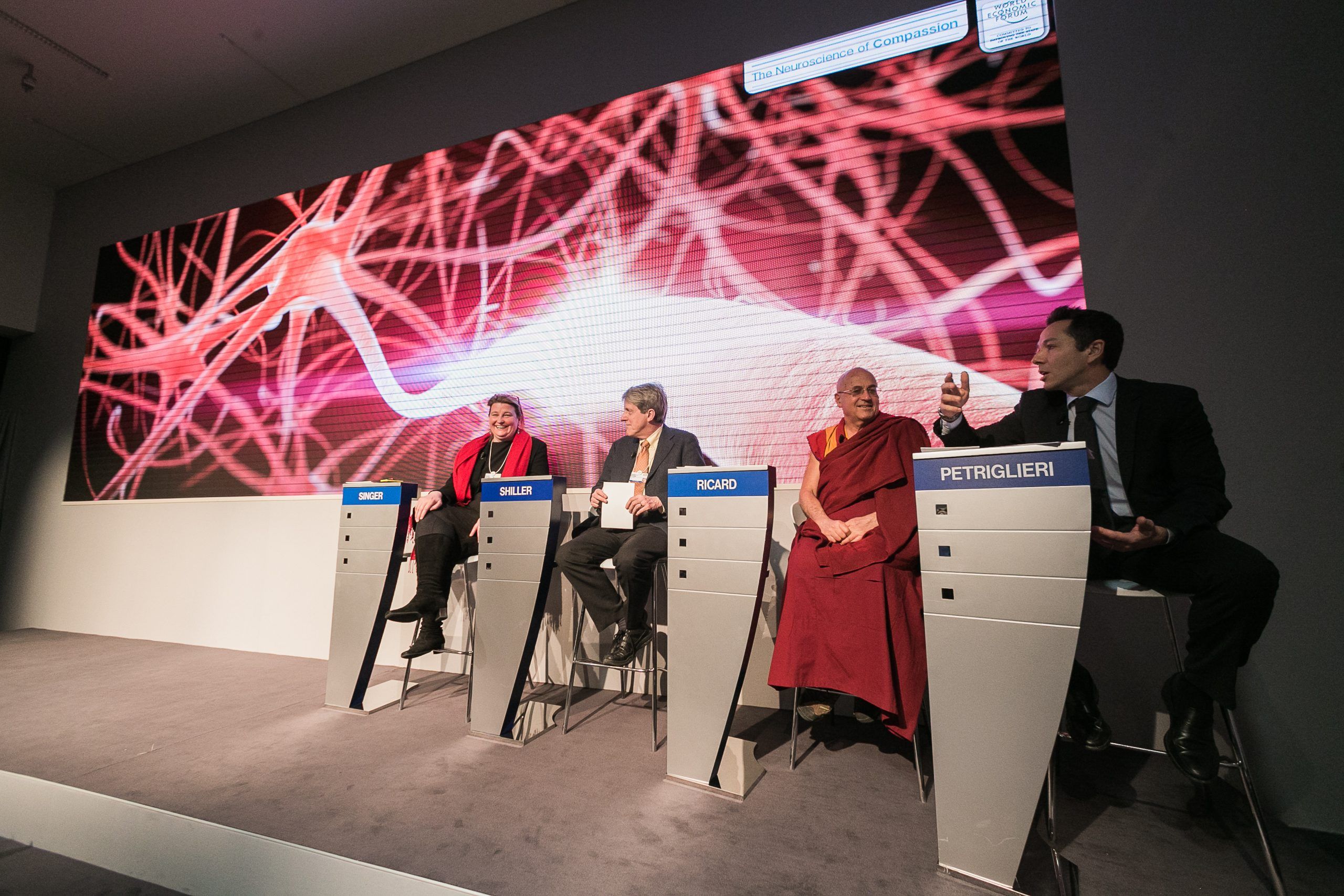
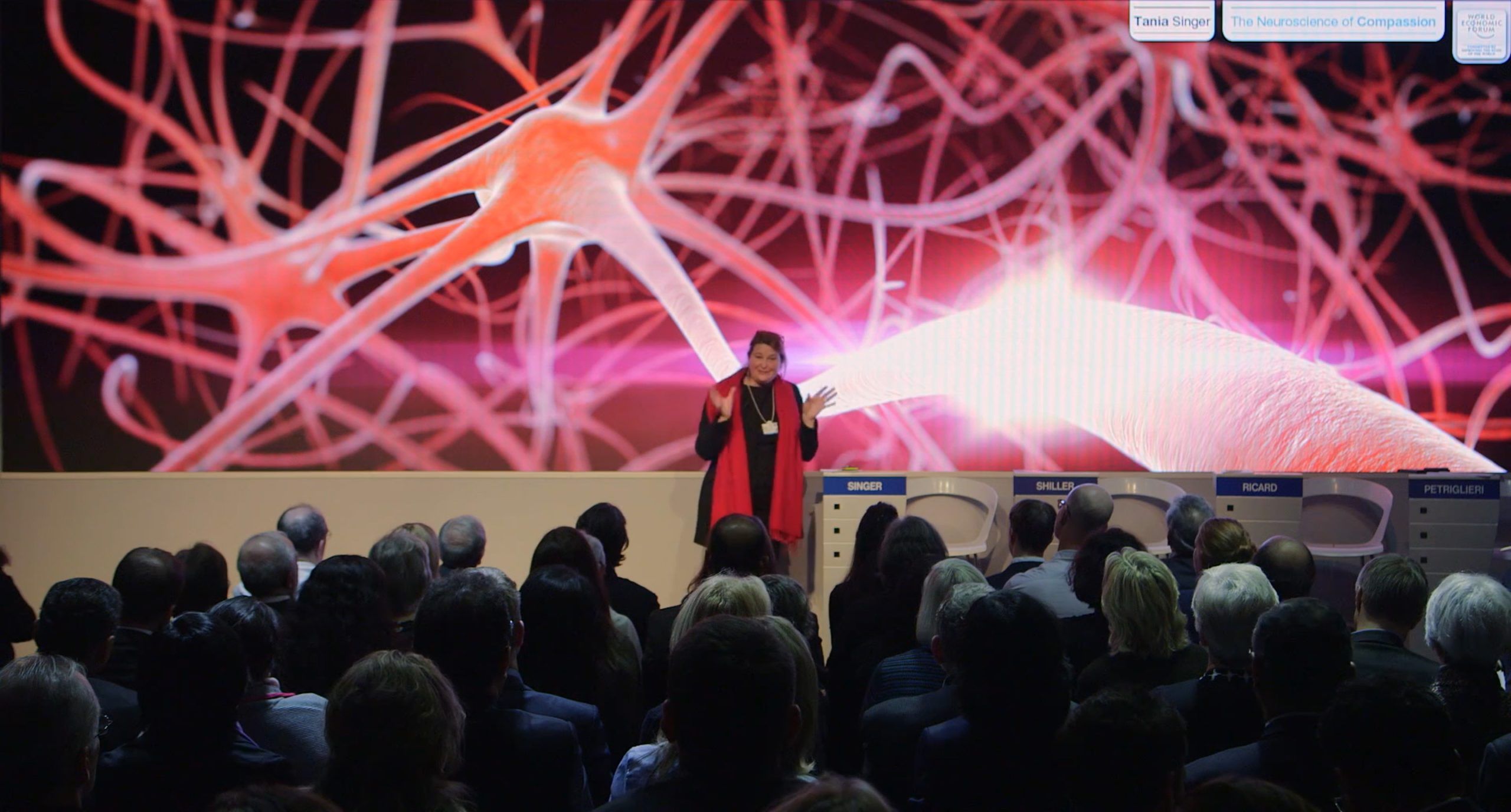
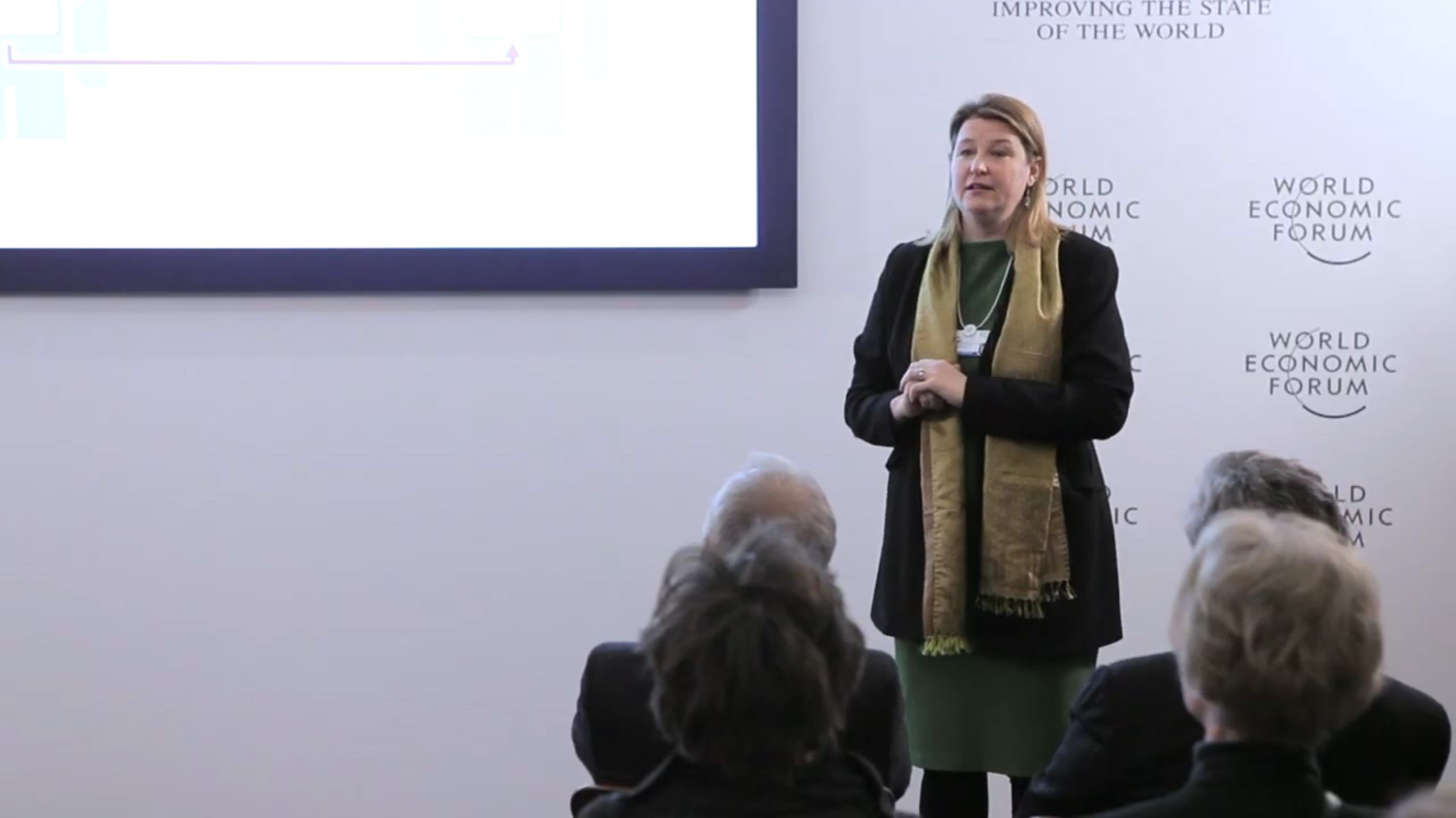
On many occasions during the past decades, Tania has actively participated many times in large-scale economic meetings such as the World Economic Forum in Davos, the Global Economic Symposium, or the OECD meetings in Paris.
Her topics in these talks range from classical neuroeconomic, behavioural economic and caring economic topics to the role of social emotions and cognition in decision-making and the conditions for cooperation to emerge or break down.


The Training of the Social Brain

Caring Economics
A short story
From Neuroeconomics to Caring Economics
Professor at the Faculty of Economics in Zurich
A New Field Is Emerging: Neuroeconomics
From 2006 to 2010 Tania worked in Switzerland at the University in Zurich. There she created an interdisciplinary centre together with behavioral economists, neuroscientists and psychologists: the Laboratory for Social and Neural Systems Research. It was around that time that a new field of study emerged, the field of Neuroeconomics.
The following issues were at the heart of this interdisciplinary research program: What are the conditions that foster human cooperation? When does cooperation break down? What promotes human pro-social behaviour and altruism? What are the neuronal mechanisms for economic decision-making and social interactions? Which role do human motivation and emotions play in decision-making?
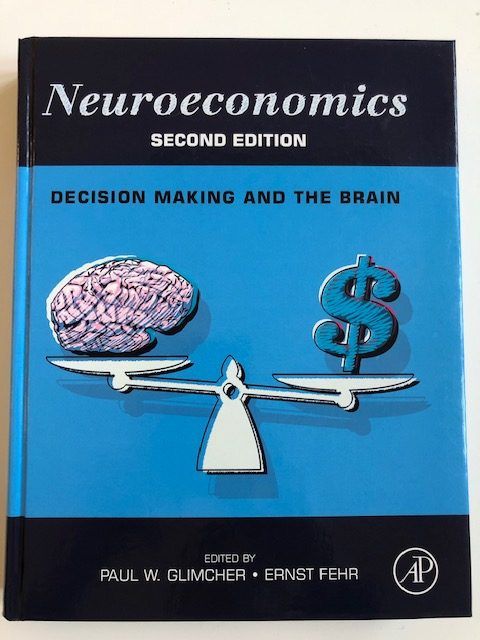
In 2006 Tania Singer joined the interdisciplinary research group “Foundations of Human Sociality” initiated by the behavioural Economist Ernst Fehr in Zürich, Switzerland. From 2006 to 2008, she was Assistant Professor of Social Neuroscience and Neuroeconomics at the University of Zurich, in 2007 she founded and was Co-Director of the Laboratory for Social and Neural Systems Research, and from 2008 onwards she held the inaugural Chair of Social Neuroscience and Neuroeconomics at the University of Zurich. This chair was the first Professorship for Neuroeconomics in Europe and was officially embedded in the faculty of economics of the University of Zürich. In this context, Tania also gave the first lectures about the neural foundations of economic decision-making to economics students, who very much appreciated hearing about such new insights from another discipline.
The goal of this multidisciplinary research group was to gain a deeper understanding of human social and cooperative conditions.
To study the causes of social and economic decision-making empirically, Tania and her colleagues combined neuroscientific, psychological, and behavioral economics methods, and applied the game theoretic research paradigms developed in microeconomics. These experimental setups involve several players who exchange money during the games. The advantage of these monetary social interaction games is that they can also be implemented in brain scanners to study the neuronal basis of cooperation and human pro-sociality.
The Dalai Lama in the Banking City of Zurich, 2010
Bringing Altruism and Compassion to Economics
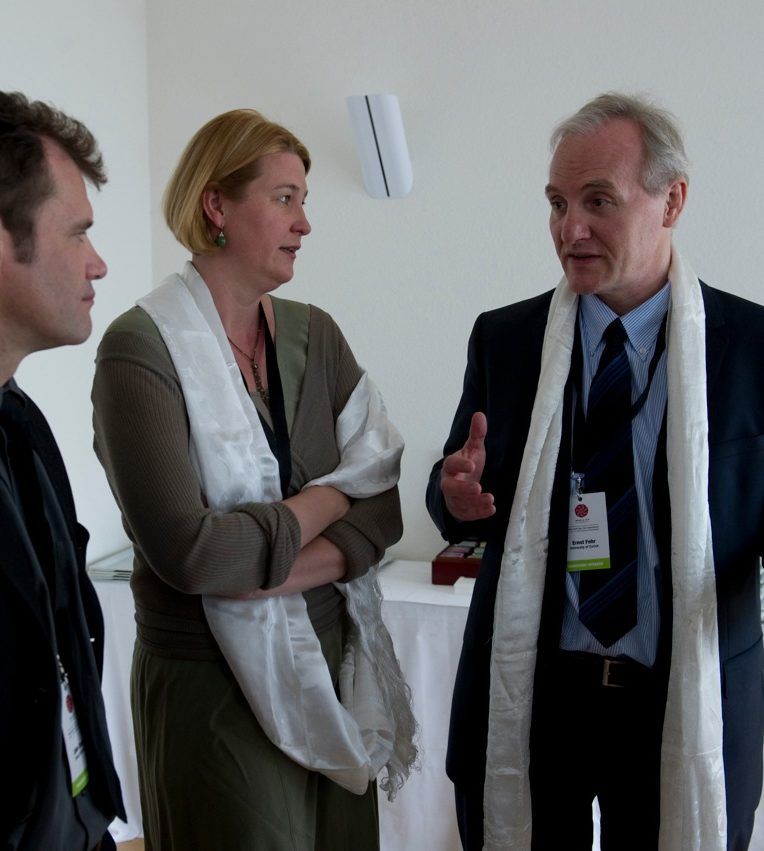
Inspired by her work with economists like Ernst Fehr (see picture at left) in Zurich, Tania, together with Matthieu Ricard, a Buddhist monk, organized a large-scale public Mind and Life conference to discuss how altruism and compassion can be integrated into economic theory. The three-day dialogue with His Holiness the Dalai Lama, together with scientists from different backgrounds, economists and social activists was captured in the book entitled Caring Economics published in 2014.
You can read more about this conference and the Mind and Life Institute in general on the contemplative science subpage.
From Homo Economicus to New Economic Models
Caring Economics
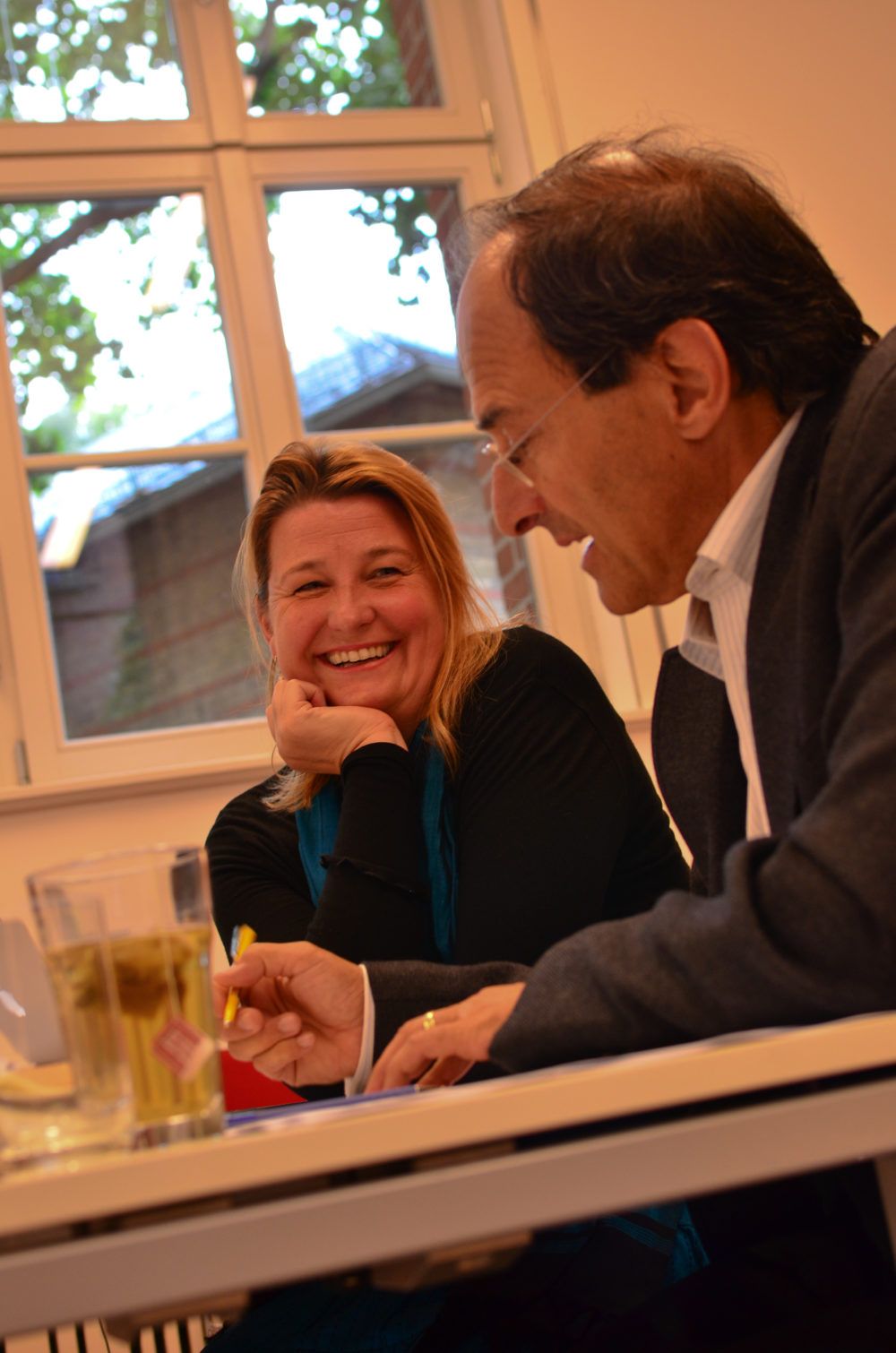
Since 2013, Tania Singer has been working with the macroeconomist Dennis Snower, former director of the Kiel Institute for the World Economy and now a professor at the Hertie School of Governance in Berlin, on a project they call Caring Economics. The project was supported by a grant from the Institute for New Economic Thinking for the period 2013-2017.
Their joint research program aims to explore how psychological and neuroscientific knowledge of human motivation, emotions and social cognition can inform economic decision-making models in tackling global economic challenges.
Thus, the potential for motivated pro-sociality has important implications for generating the human cooperation required to address global problems such as climate change, financial crises and extreme poverty and inequality and highly relevant to policy-making. The program aims to create a new generation of economic models which explore the possibilities for more cooperative, sustainable and pro-social economic behaviour and to provide a vision for a caring economy.
Caring Economics Interview
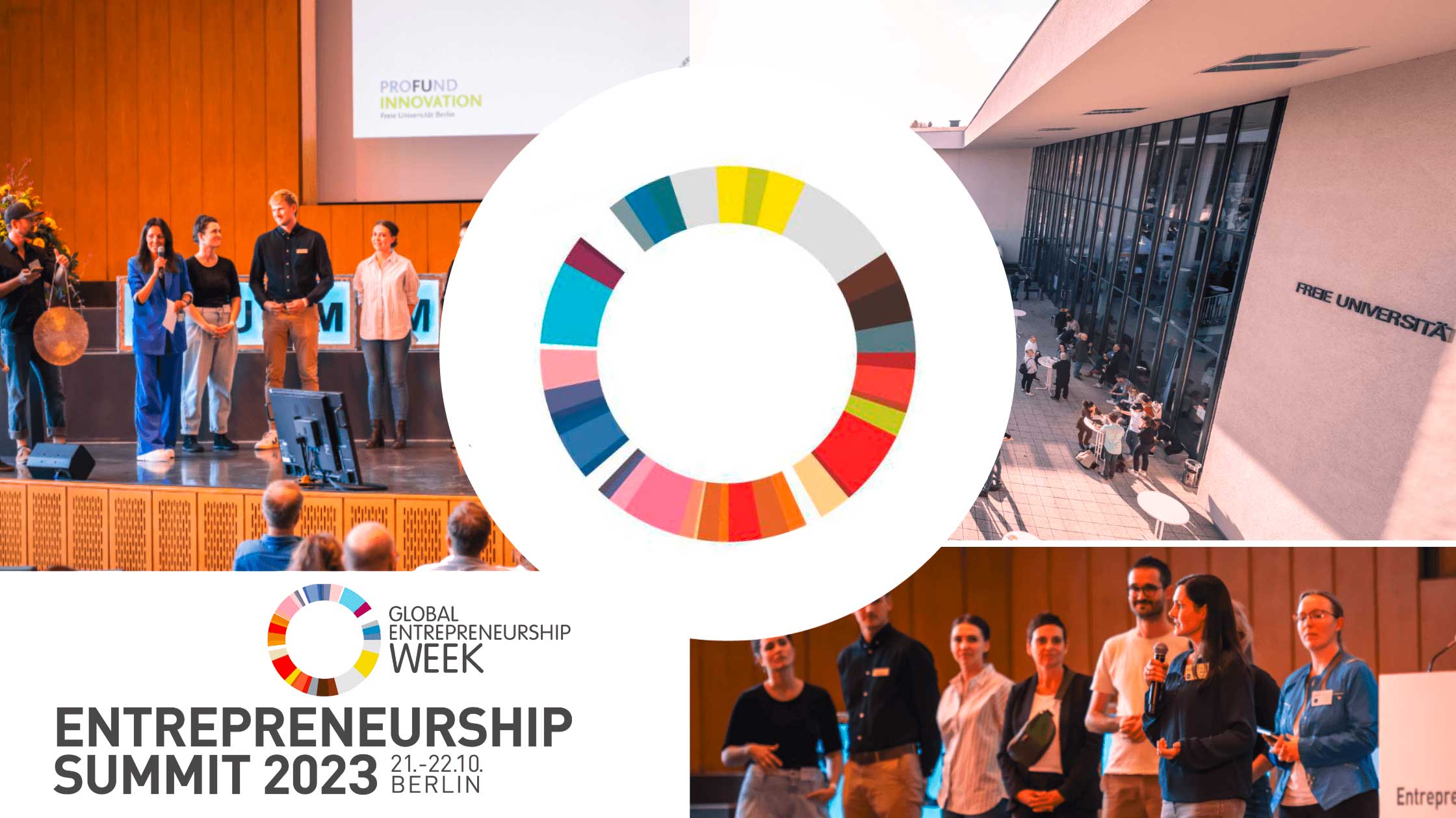
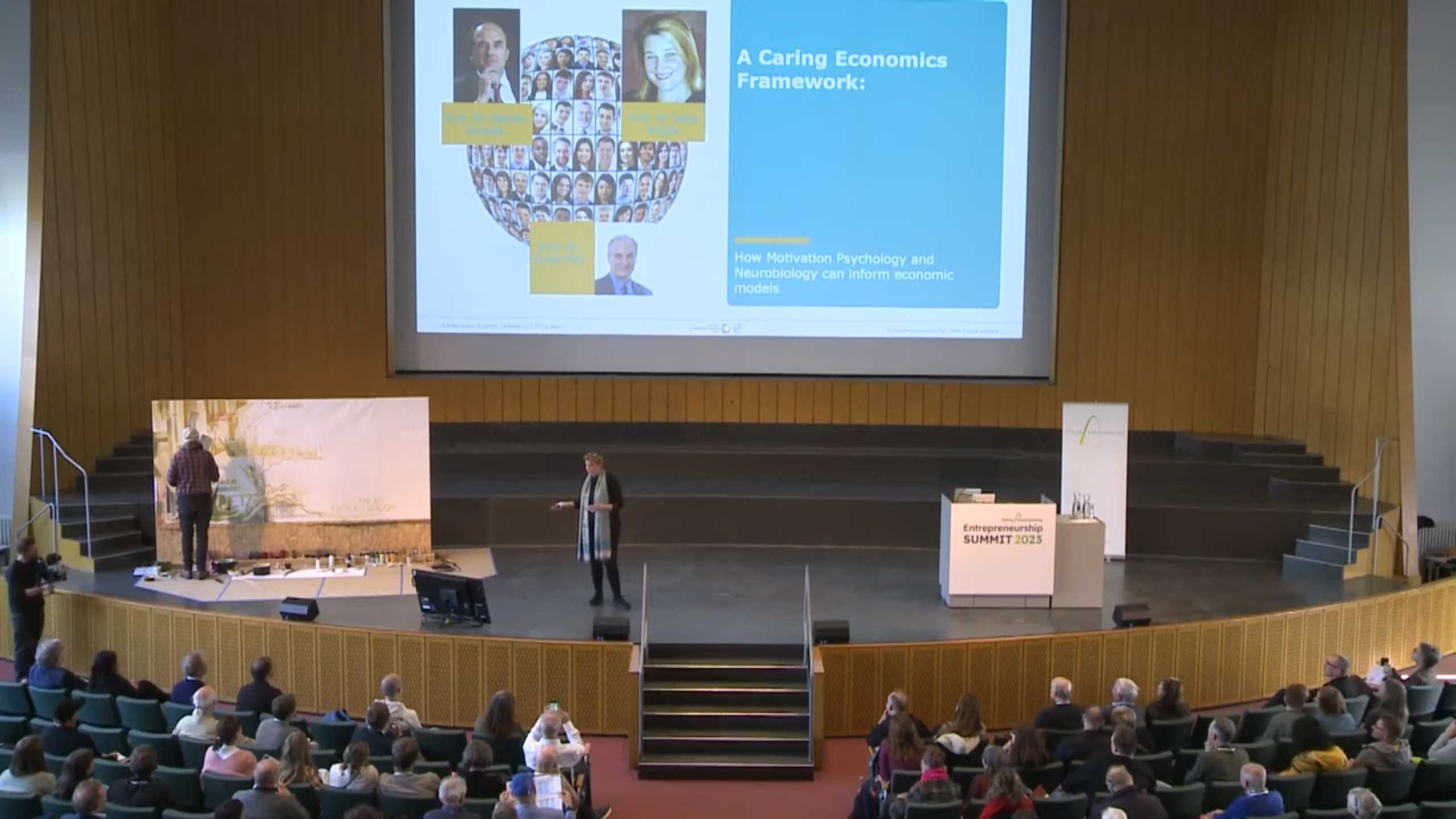
Keynote Talk, Berlin, 2023
OWP at IMD, Lausanne, 2020
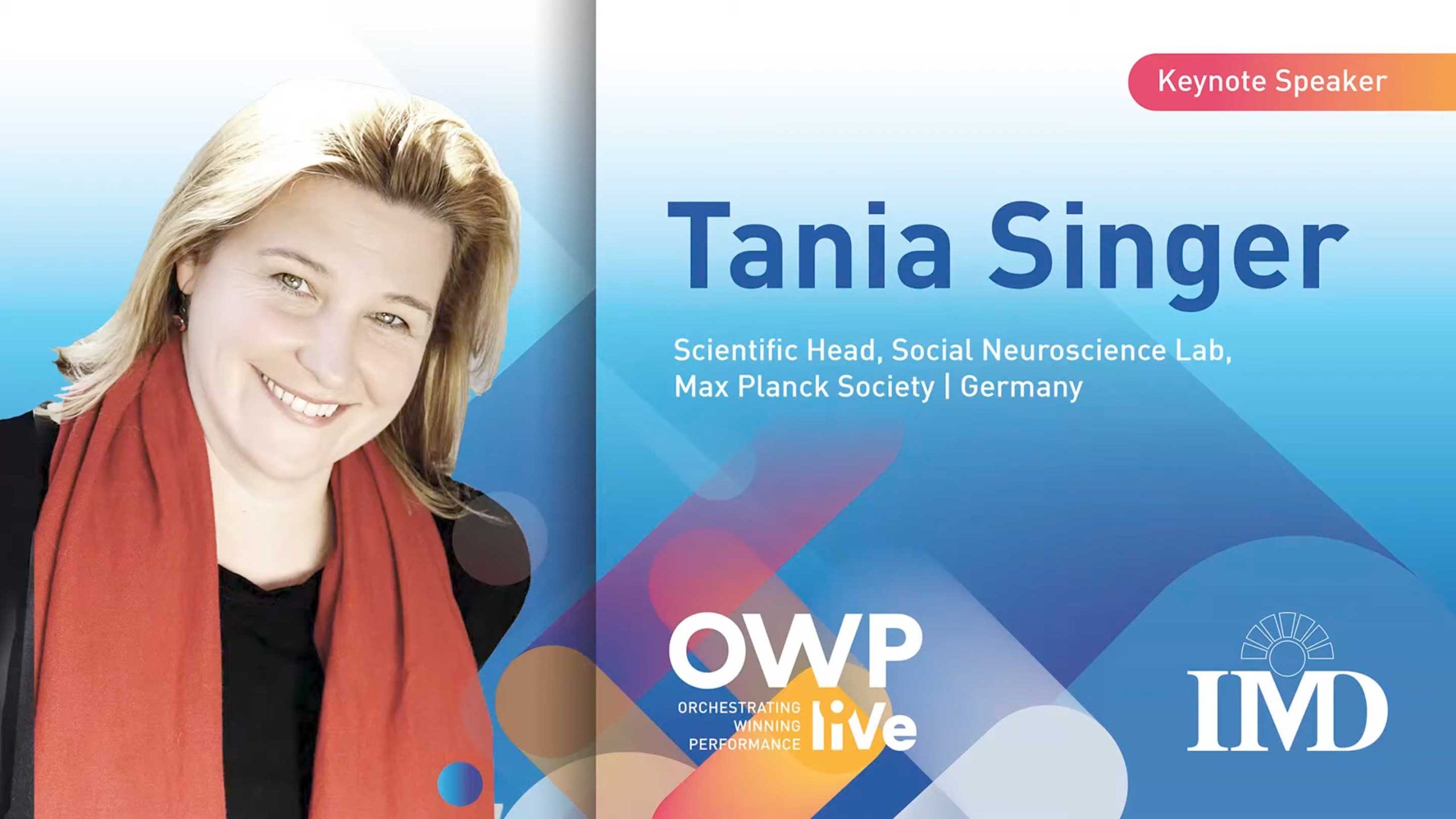
Keynote speech in 60 seconds, 2020

Neuro- & Caring Economics • Decision Making • Prosocial Behavior
Selected Publications

- Caring Economics & Entrepreneurschip
- Singer, T. (2025).
- Caring Economics & Motivation
- Bosworth, S. J., Singer, T., & Snower, D. J. (2016).
- Fairness & Compassion
- Singer, T. & Steinbeis, N. (2009).
- Neuroeconomics
- Singer, T., & Fehr, E. (2005).
- Cooperation and Punishment
- Chierchia, G., Parianen Lesemann, F. H., Snower, D., Vogel, M., & Singer, T. (2017).
- Stress & Social Decisions
- Steinbeis, N., Engert, V., Linz, R., & Singer, T. (2015).
- Development of Strategic Decisions
- Steinbeis, N., Bernhardt, B. C., & Singer, T. (2012).
- Motivation and Cooperation/Punishment
- Chierchia, G., Parianen Lesemann, F. H., Snower, D., Vogel, M., & Singer, T. (2017).

- Prosocial Motivation and Behavior
- Chierchia, G., & Singer, T. (2016).
- Structure of Human Prosociality
- Böckler, A., Tusche, A., & Singer, T. (2016).
- Training Prosociality & Compassion
- Leiberg, S., Klimecki, O., & Singer, T. (2011).
- Brain and Donation
- Tusche, A., Böckler, A., Kanske, P., Trautwein, F.-M., & Singer, T. (2016).