Chapters of my Life
About Me
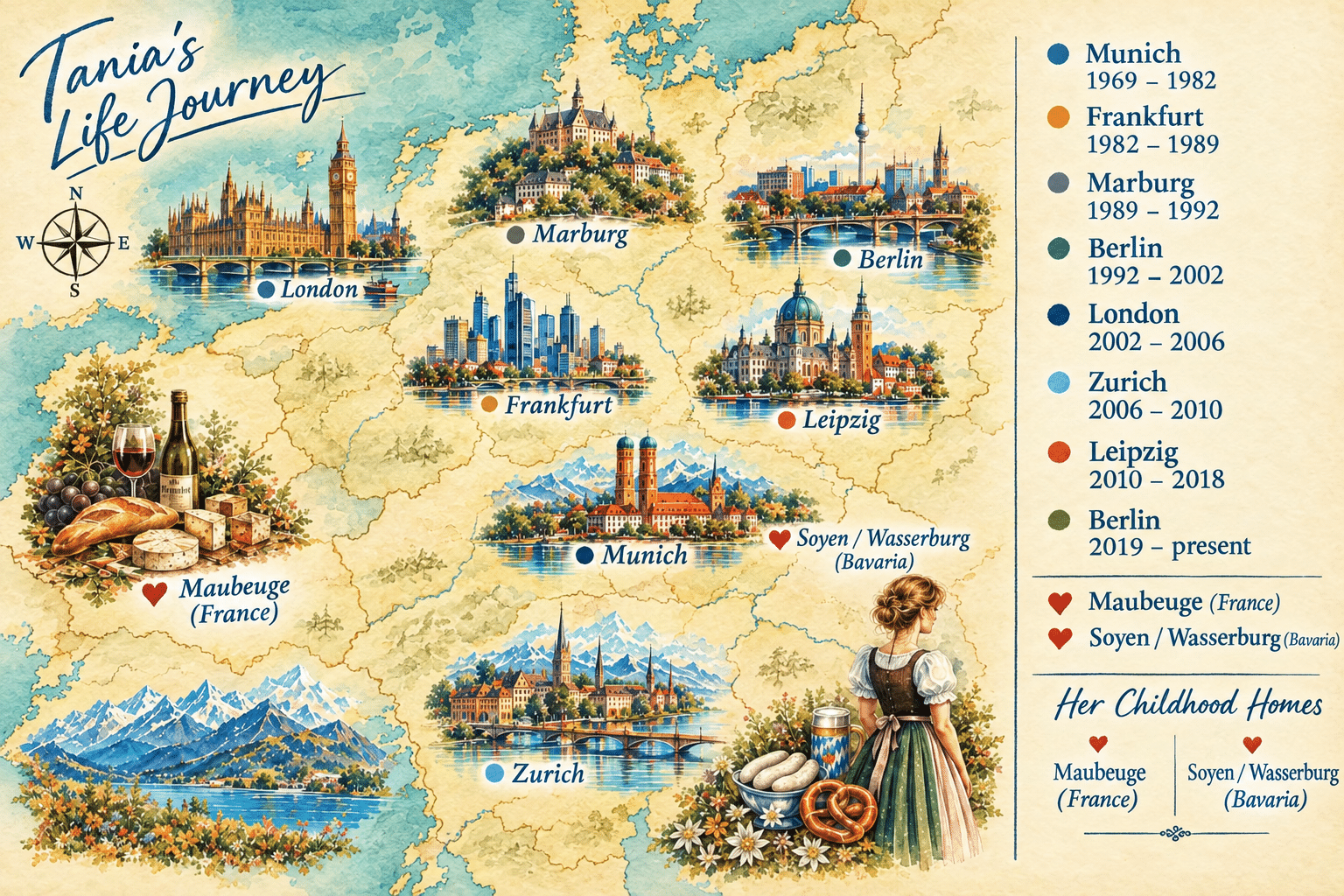
I feel deep gratitude for my life which has been not only inspiring, rich and colourful but also challenging, full of deep learnings and unpredicted turns. Following my intuition and opportunities to explore new fields, I have moved many times, firstly from city to city in Germany (Munich, Frankfurt, Marburg, Berlin, Leipzig), and later from country to country (England, Switzerland and back to Germany). Every move I have experienced has been like turning the page of a new life chapter. I have therefore arranged my short biographical account below around these moves, starting from my birth in Munich in 1969 and ending at the present time.
You can download my complete academic CV here.
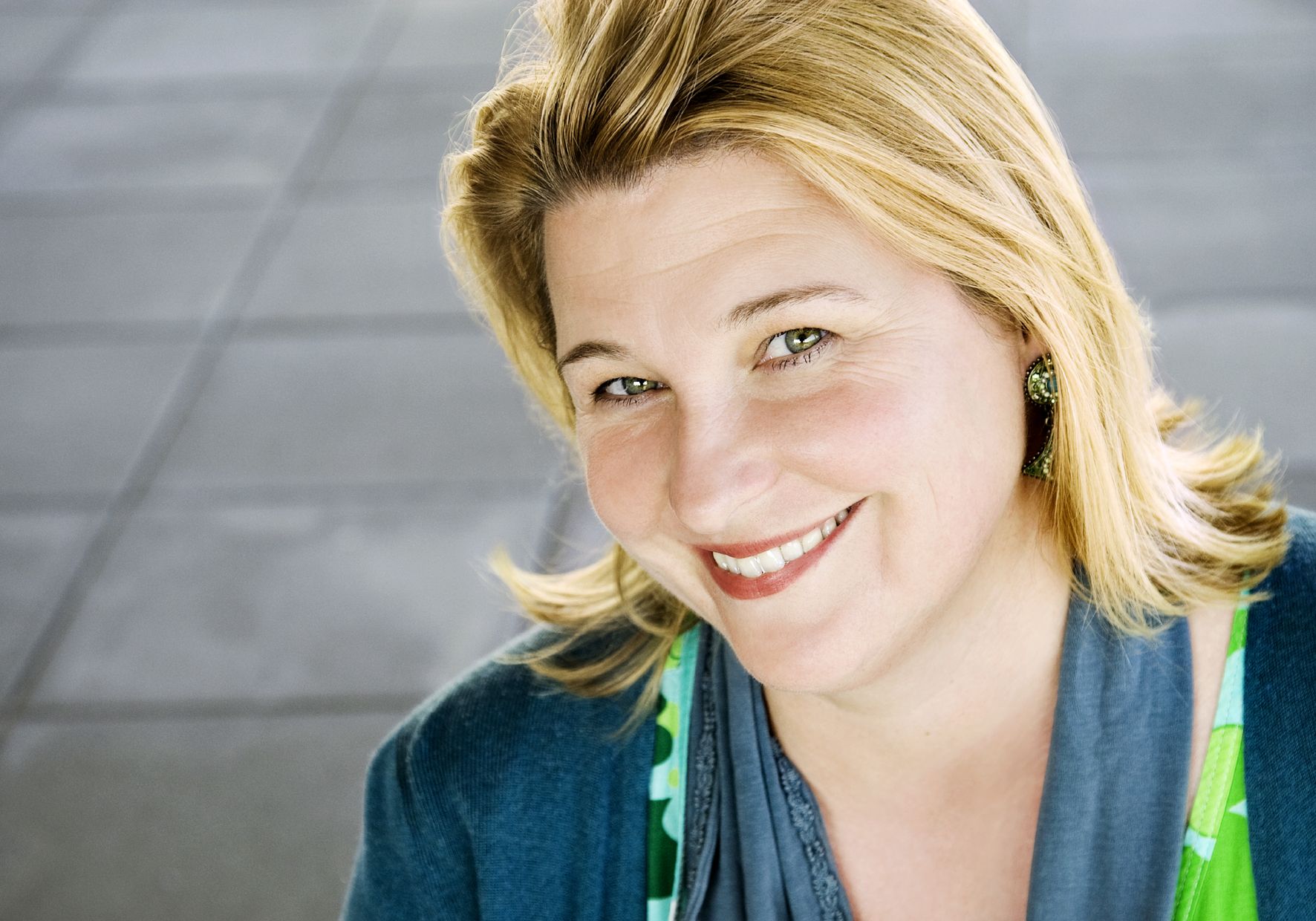
A Life Dedicated to Art, Research, and Society
Tania’s Milestones
 Childhood & Youth & Education & Theater & Opera
- 1969–1982 · Munich – Growing up between the French School and the Oskar von Miller Gymnasium, opera, culture, and travel
- 1982–1989 · Frankfurt – School years and Abitur (university entrance qualification) at the Heinrich-von-Gagern-Gymnasium
- 1989–1992 · Marburg – University of Marburg – Studied psychology up to the intermediate diploma
- 1992–1996 · Berlin – Studied psychology at the Technical University of Berlin
- 1996 · Berlin – Diploma in Psychology, Technical University of Berlin
- 1996–2000 · Berlin – Doctorate at the Max Planck Institute for Human Development
- 2000 · Berlin – Dr. phil. in Psychology, summa cum laude, Free University of Berlin
- 1982-2000 · Assistant director at various operas and theaters
 Research: Social Brain & Caring Economics & Mindfulness Research
- 2000–2002 · Berlin – Research Associate at the Max Planck Institute for Human Development
- 2002–2006 · London – Postdoctoral Researcher at the Wellcome Department of Imaging Neuroscience and the Institute of Cognitive Neuroscience
- 2006–2010 · Zurich – Assistant Professor and then Founding Chair of Social Neuroscience and Neuroeconomics
- 2007–2010 · Zurich – Co-Director of the Laboratory for Social and Neural Systems
- 2010–2018 · Board Member for the Mind and Life Institut USA and Europe (Co-Founder); Contemplative Sciences; Organization of major conferences with the Dalai Lama: Altruism in Economic Systems in Zurich (2010) and Power & Care in Brussels (2016)
 Mental Training Programs & Translation & Culture
- 2010–2018 · Leipzig – Director of the Department of Social Neuroscience at the Max Planck Institute for Human Cognitive and Brain Sciences
- 2013–2019 · Development and management of the ReSource project
- 2019–present · Berlin – Scientific Director of the Social Neuroscience Lab of the Max Planck Society
- 2019–2023 · Development & management of the CovSocial project
- 2024–present · Development and management of the Edu:Social School– and Healthcare projects
- 2020–present · Founder of ReConnect! for the transfer of mental training projects into society
- Since 2000 · Dialogues, festivals, conferences, and workshops at the intersection of science, society, and culture
My Life in a Few Pictures





Timeline
1969-1982
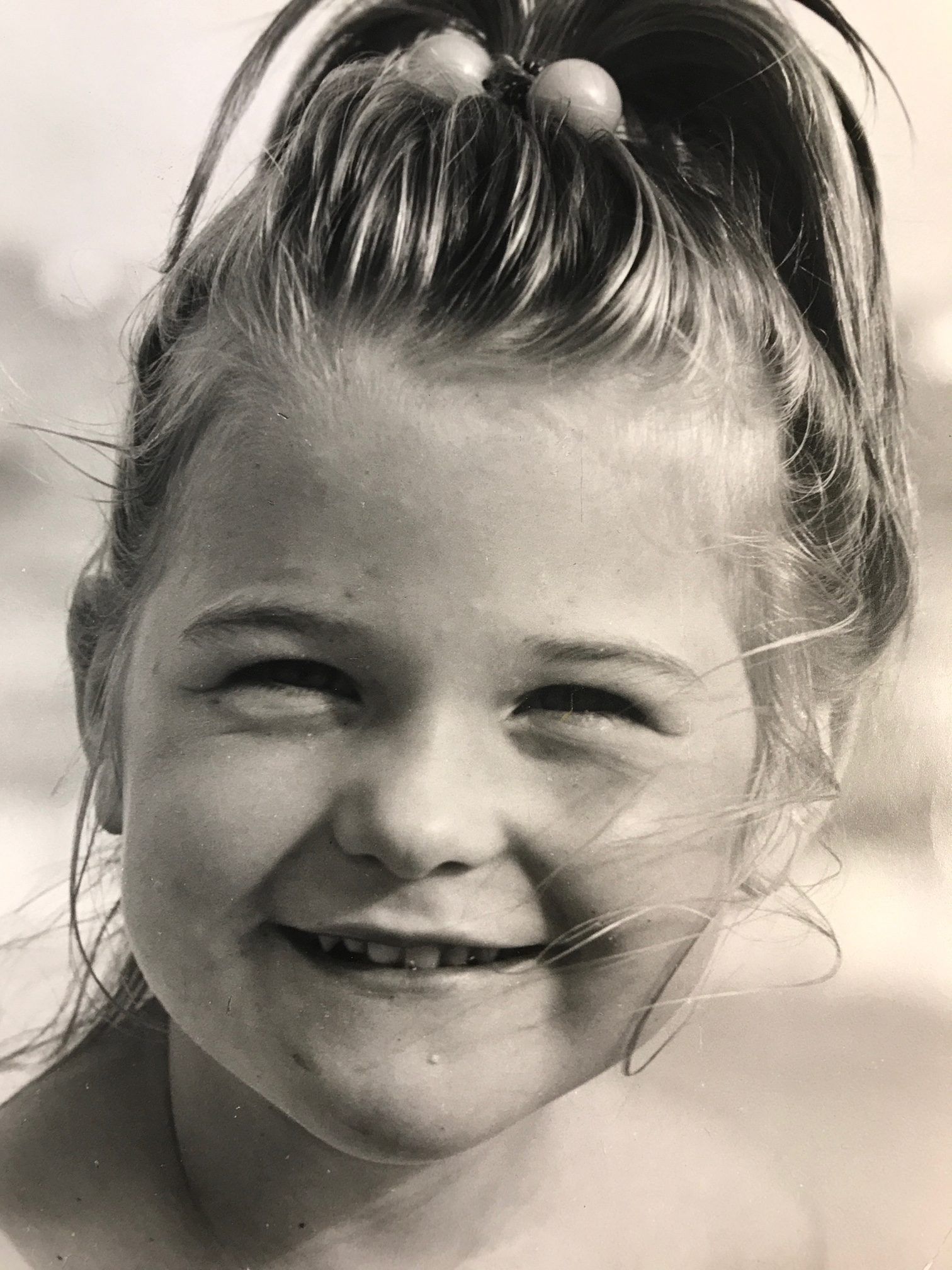
Childhood in Munich and Bavaria
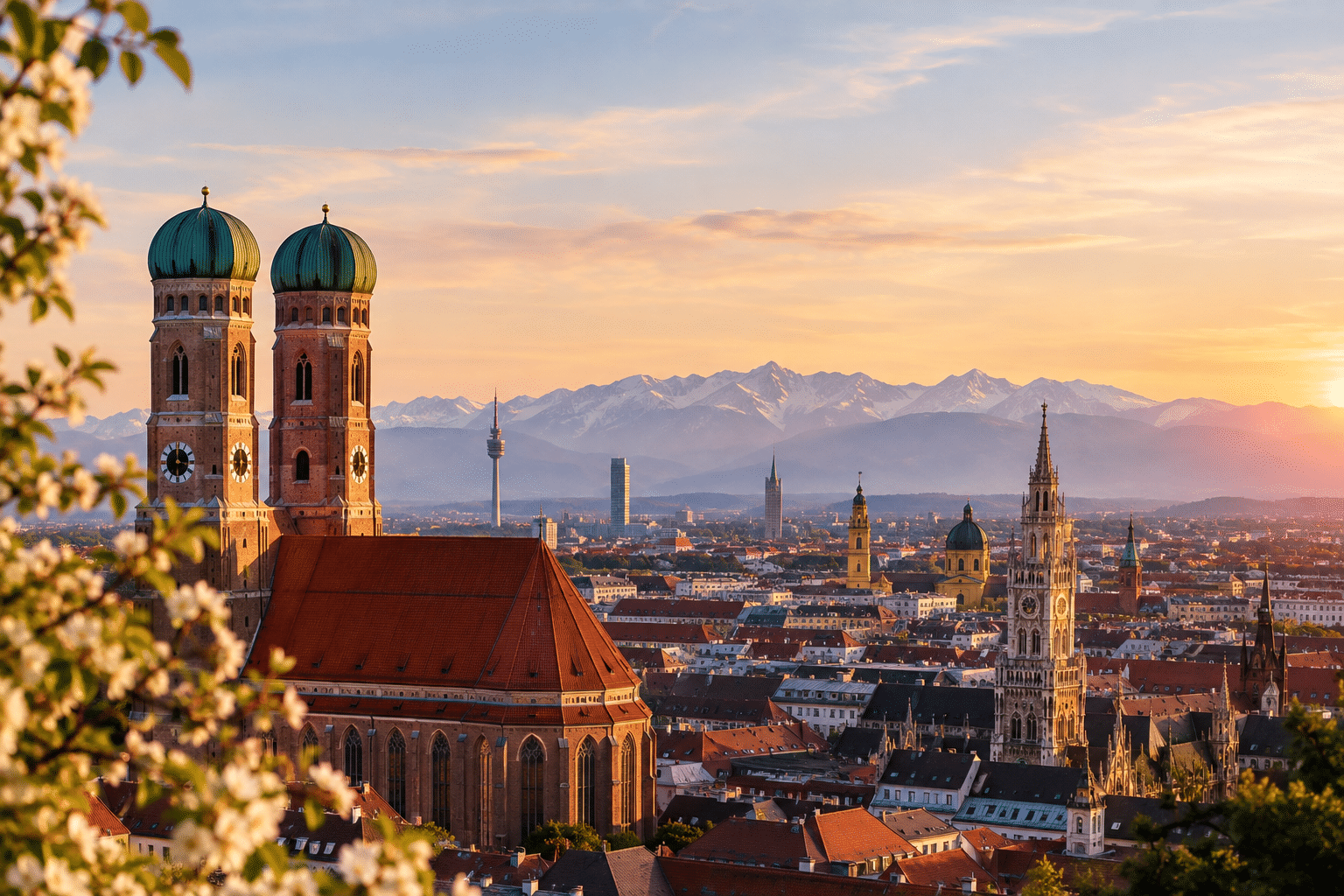
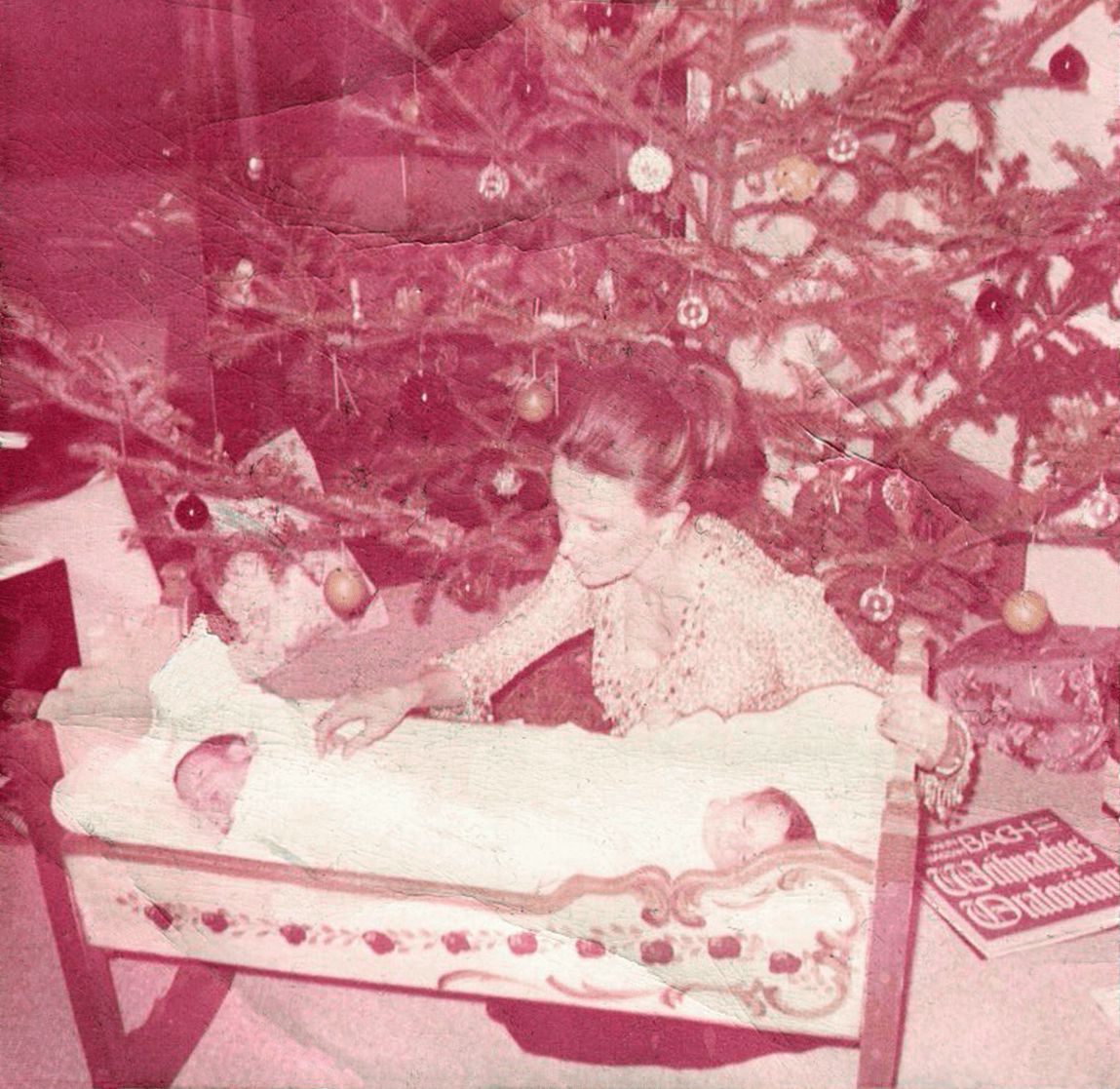
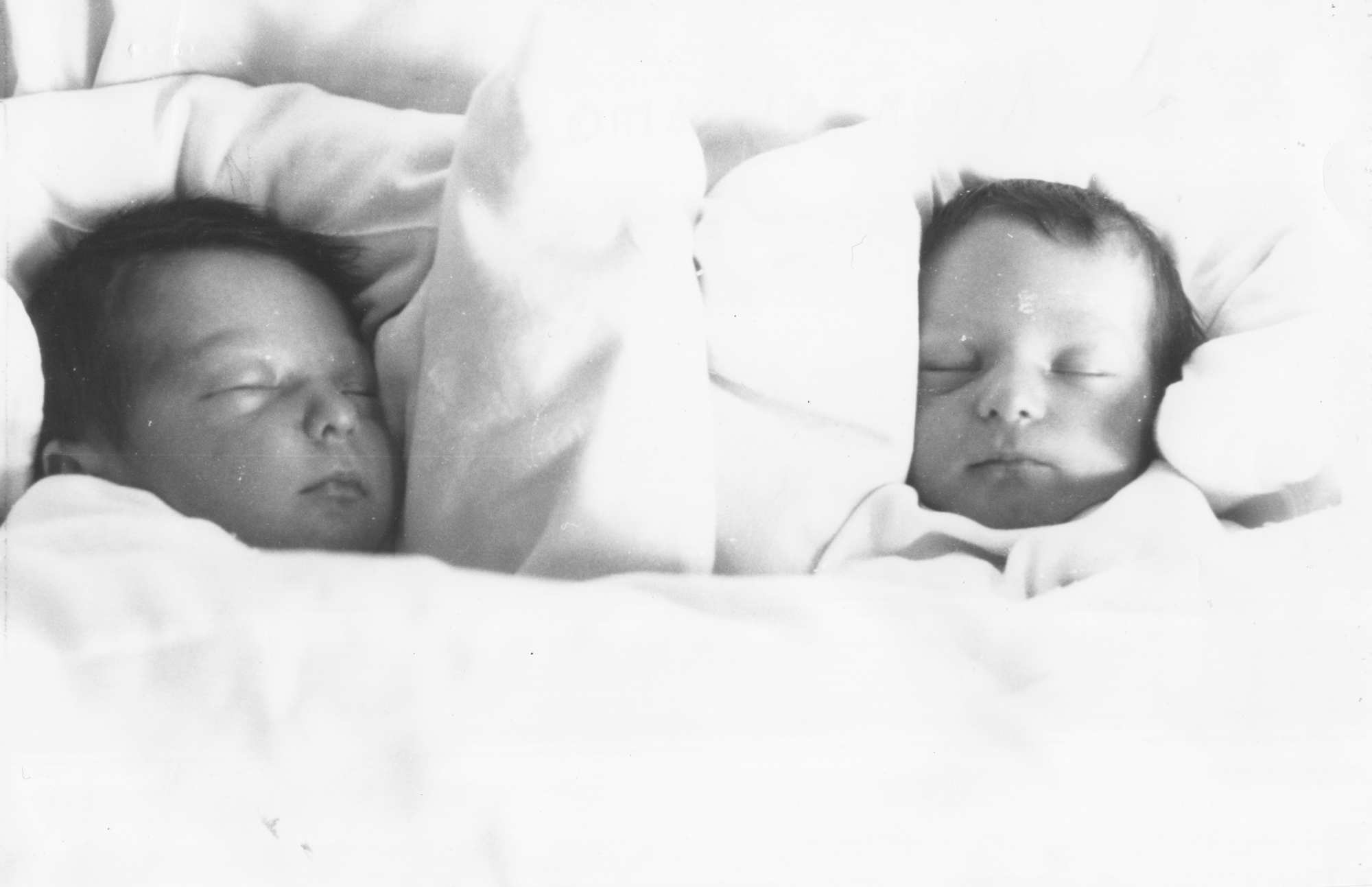
I was born on 8th December 1969 in Munich together with my four-minutes-older identical twin sister, Nathalie. For the first 12 years of my life, I lived there with her, my german father Wolf Singer and my french mother Francine Singer.
After attending a french kindergarten and primary school in Munich until the age of 7, we transferred to a German primary school and then to the Oskar von Miller high school.
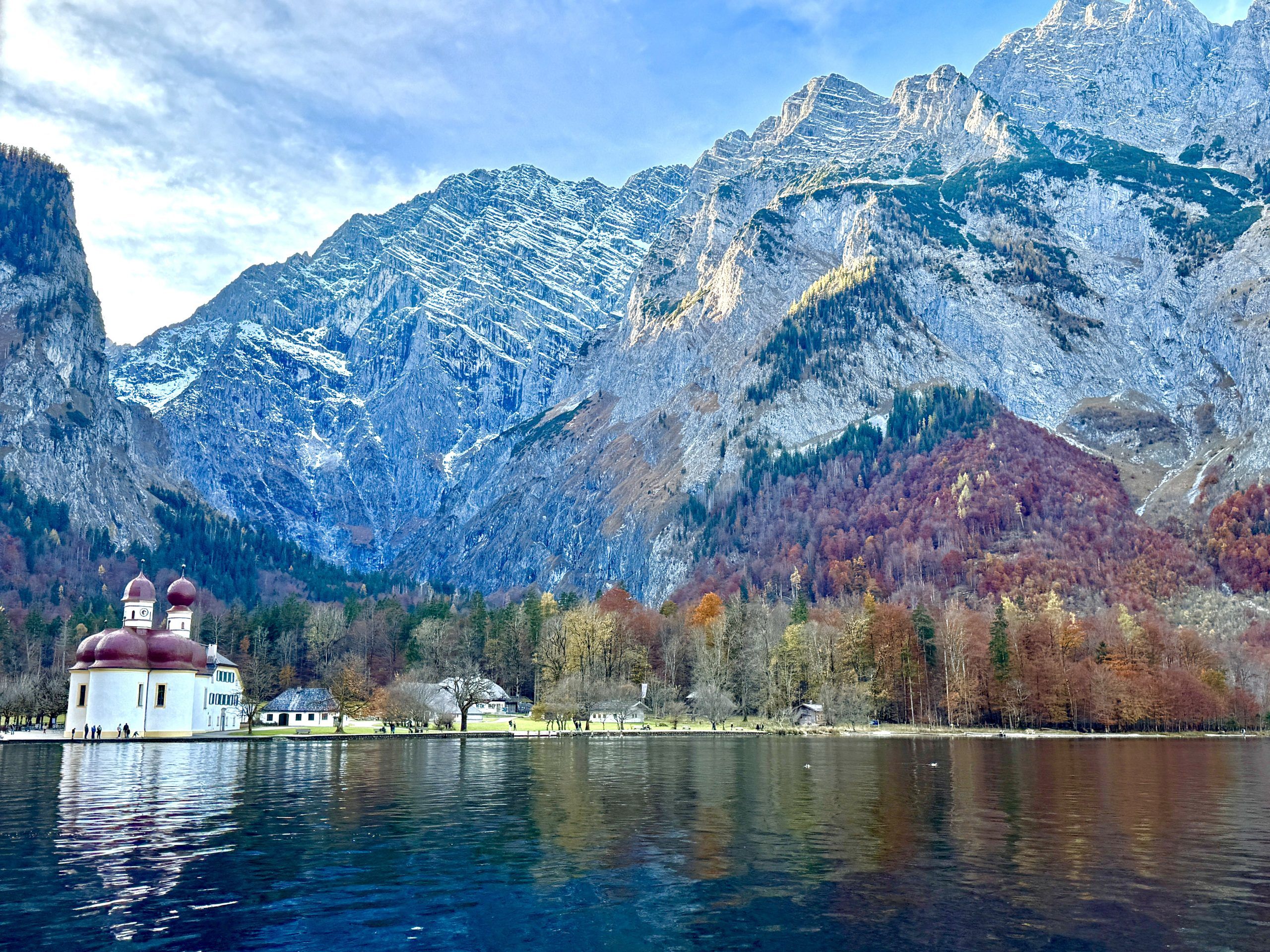
My childhood years were marked by many visits to the homes of my beloved grandparents in Bavaria and France. My german grandparents lived by a lake in the countryside with a view of the Bavarian Alps. My grandfather was a country doctor and a passionate mountaineer. My french grandparents lived in a typical charming french house in the north of France. Here we enjoyed many vacations and endless french-style family dinners.
1982-1989
High School in Frankfurt and first steps in Theater and Opera
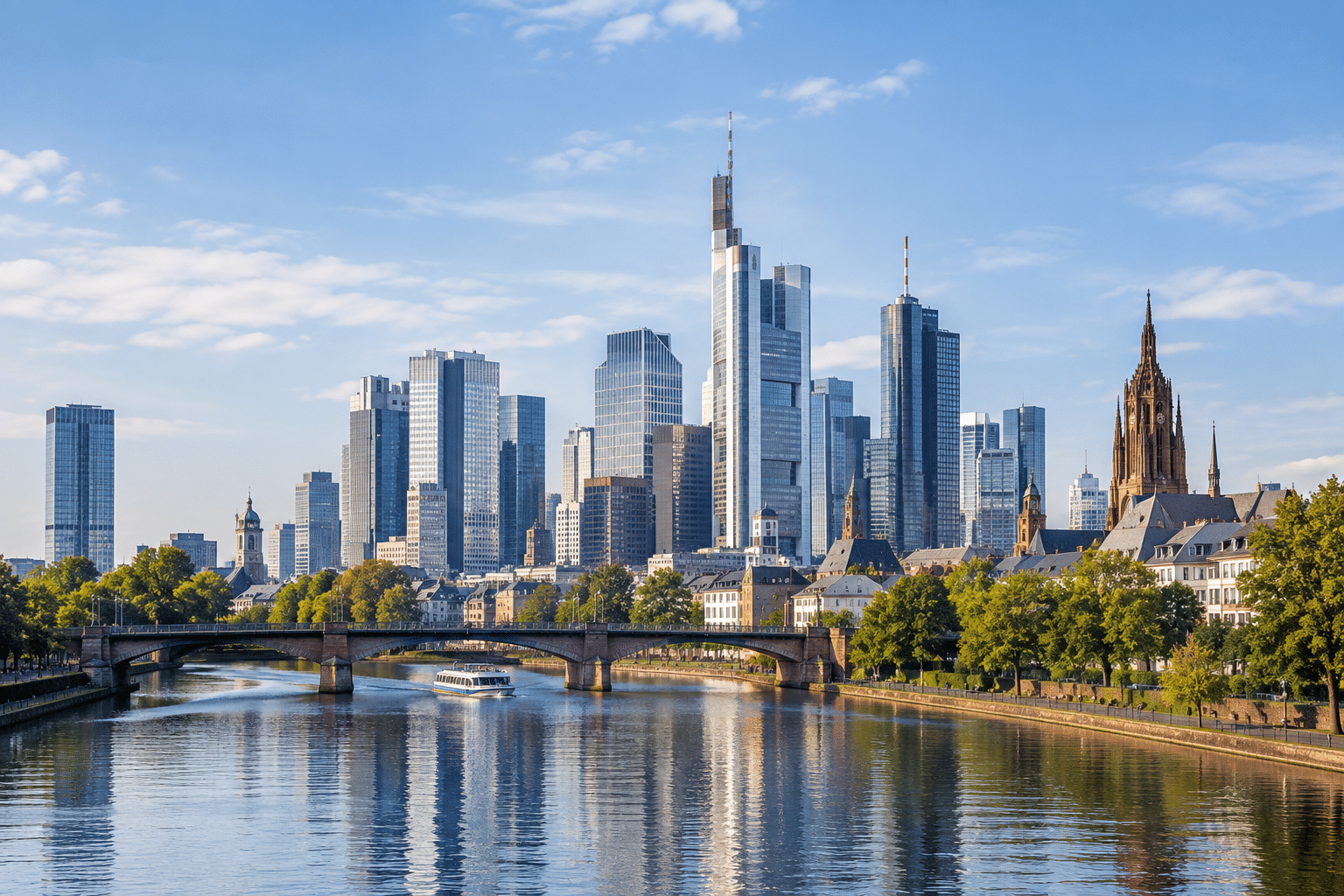
At the age of 12, I moved with my family from Munich to Frankfurt, when my father accepted an offer to become a director at the Max Planck Institute for Brain Science. Alongside my education at the Heinrich von Gagern High School, I pursued my passion for the arts, theater and opera. I took up multiple internships and had several positions as director’s assistant in the theater and opera of Frankfurt and Freiburg. I also took courses in dance (flamenco, tap and modern dancing), juggling and pantomime.
In 1989, I completed my high school diploma and left my parents’ home in Frankfurt to begin the next phase of my life as university student.
1992-1996
Bachelors in Psychology in Marburg, Germany

After several exciting travels with my twin sister through Turkey, Russia and Israel, I decided to study psychology at the Philipps-University in the small German student town of Marburg an der Lahn.
I lived in a large former hospital which had been converted into a student-run accommodation. In my role as the “president” of this house for a while, I learned the ups and downs of self-organisation.
In 1992, I concluded my bachelor’s degree in psychology and achieved top marks, which enabled me to move to Berlin and take my master’s in psychology. In Marburg, I missed the buzzing life of big cities and my connection to theater and opera.
1992-1996
Master studies in Psychology, Media Counselling & Theater in Berlin
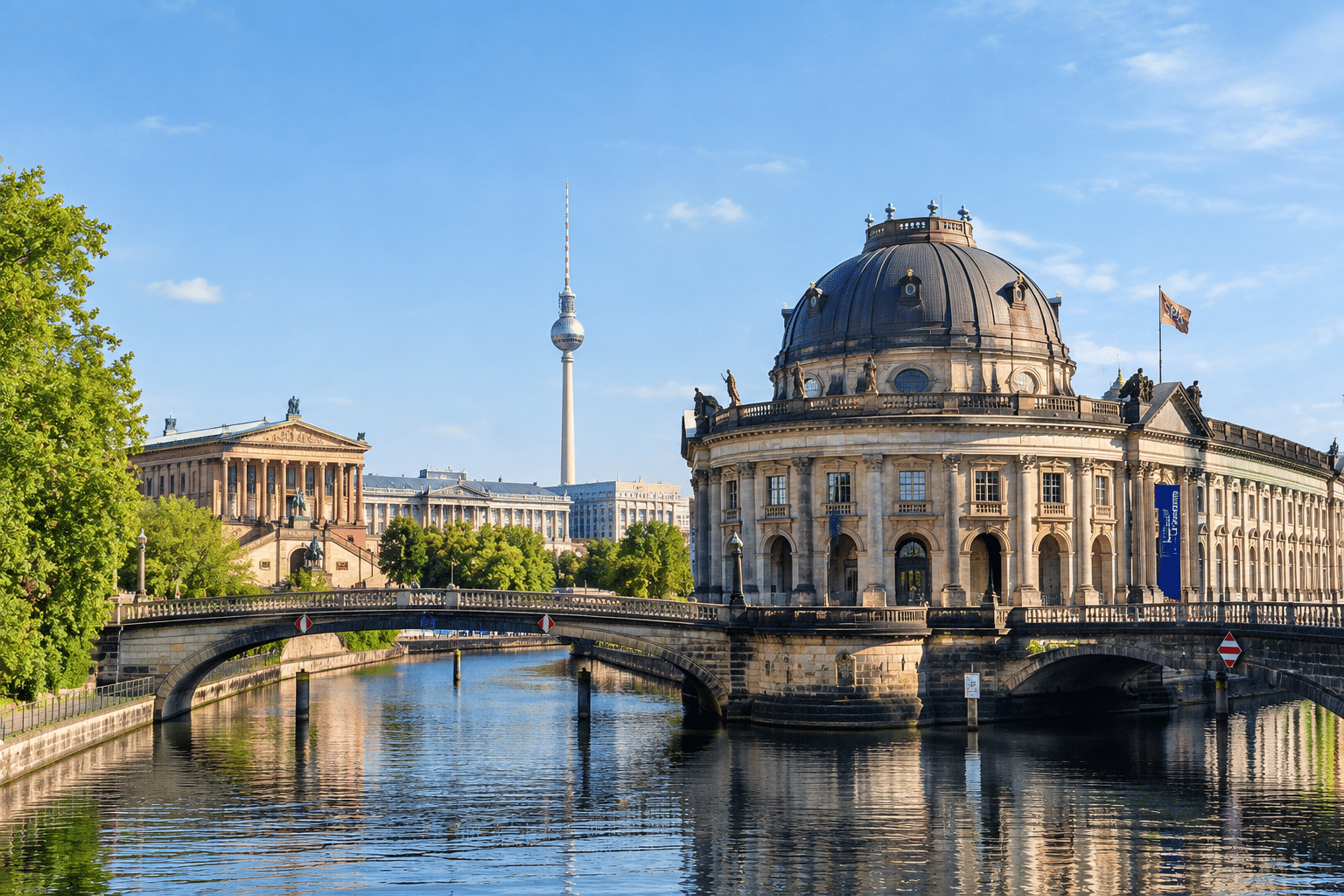
Parallel to my studies in psychology at the Technical University of Berlin, I was able to reconnect with my passion for theatre and opera. In additon to my studies of Psychology, I studied Theatre and Media Counselling and also worked on several theatre productions as a director’s assistant.
A special memory remains of our production with the young Theater Affect group directed by Stefan Bachmann. My parallel job in the Hebbel Theater also allowed me to get to know many international theatre groups. Overall, I deeply enjoyed my student life in post-wall Berlin, a city that was still rediscovering itself and hence gave opportunities for many free, creative and unusual spaces for artists, all kind of creatives and night owls.
1996-2002
Phd in Psychology at the Planck Institute for Human Development, Berlin
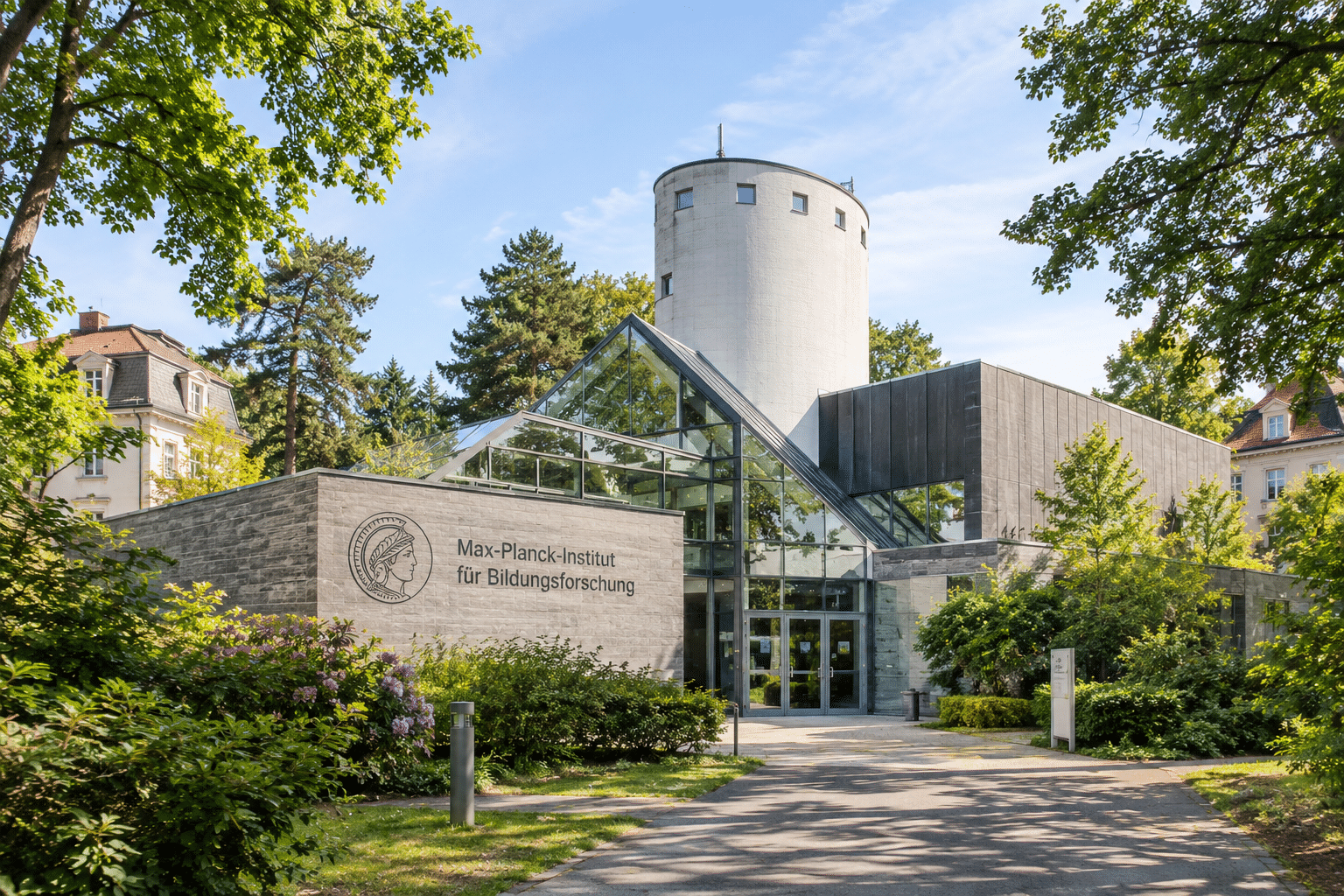
The completion of my master’s degree in psychology (Diplom) at the Technical University of Berlin in 1996 marked the start of my career in research. I put my dreams of becoming a theatre and opera director on hold in order to take a PhD at the Max Planck Institute for Human Development in Berlin.
The years preparing my PhD, entitled “Plasticity in very old age”, were demanding: 12 hours work a day including weekends were not an exception. I was therefore extremely happy to receive a public recognition for my investment, namely the Otto-Hahn Medal for the best thesis of 2000 from the Max Planck Society.
This grant enabled me to move to London and enter the emerging field of social neuroscience. I completed my PhD in 2000 with the best mark (“summa cum laude”) at the Free University of Berlin and worked another two years as postdoc in the domain of developmental and aging research at the same institute. Even if I decided to switch field and become a social neuroscientist in London, the knowledge in developmental psychology and plasticity research I gained during my PhD inspired me later on to embark in the investigation of the development and malleability of the social brain.
2002-2006
My time as a Social Neuroscientist in London
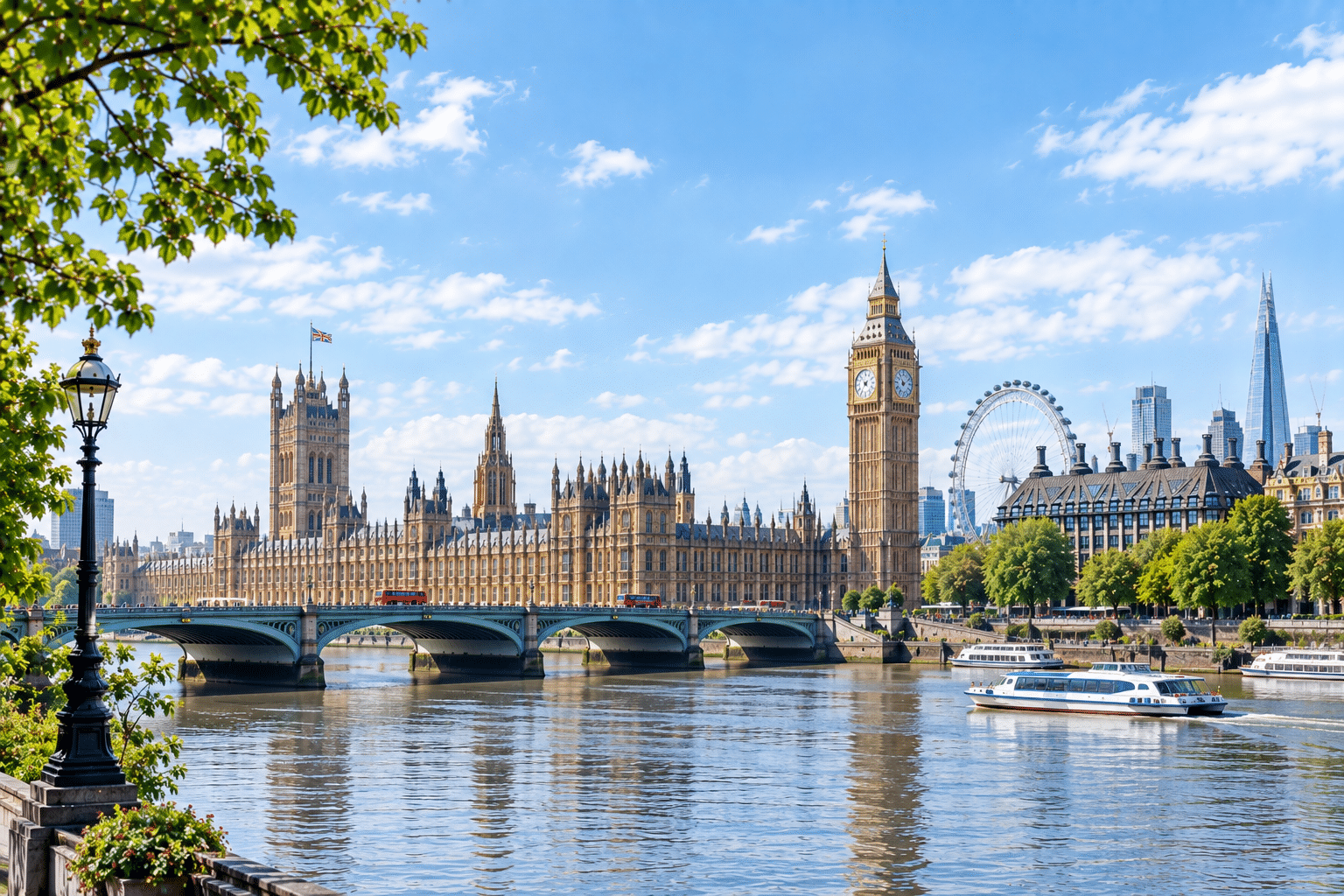
Maybe because I was born as a twin with a highly social and interactive life already in the womb, the years of developmental and cognitive psychology research ignited my strong interest to learn more about the social and emotional aspects of human beings and our social brain. I therefore applied to work with Chris Frith at the functional imaging lab (FIL) in London, now called the Wellcome Centre for Human Imaging.
He was one of the first researchers in the world to investigate higher-order mental functions such as our capacity to have a “Theory of Mind”, that is to understand the intentions, beliefs and thoughts of others. The turn of the century was the hour of birth of this new interdisciplinary field of social neuroscience. For the first time, the focus was not on the investigation of the single individual, but on the social brain and the question of how we understand the feelings, actions and thoughts of others.
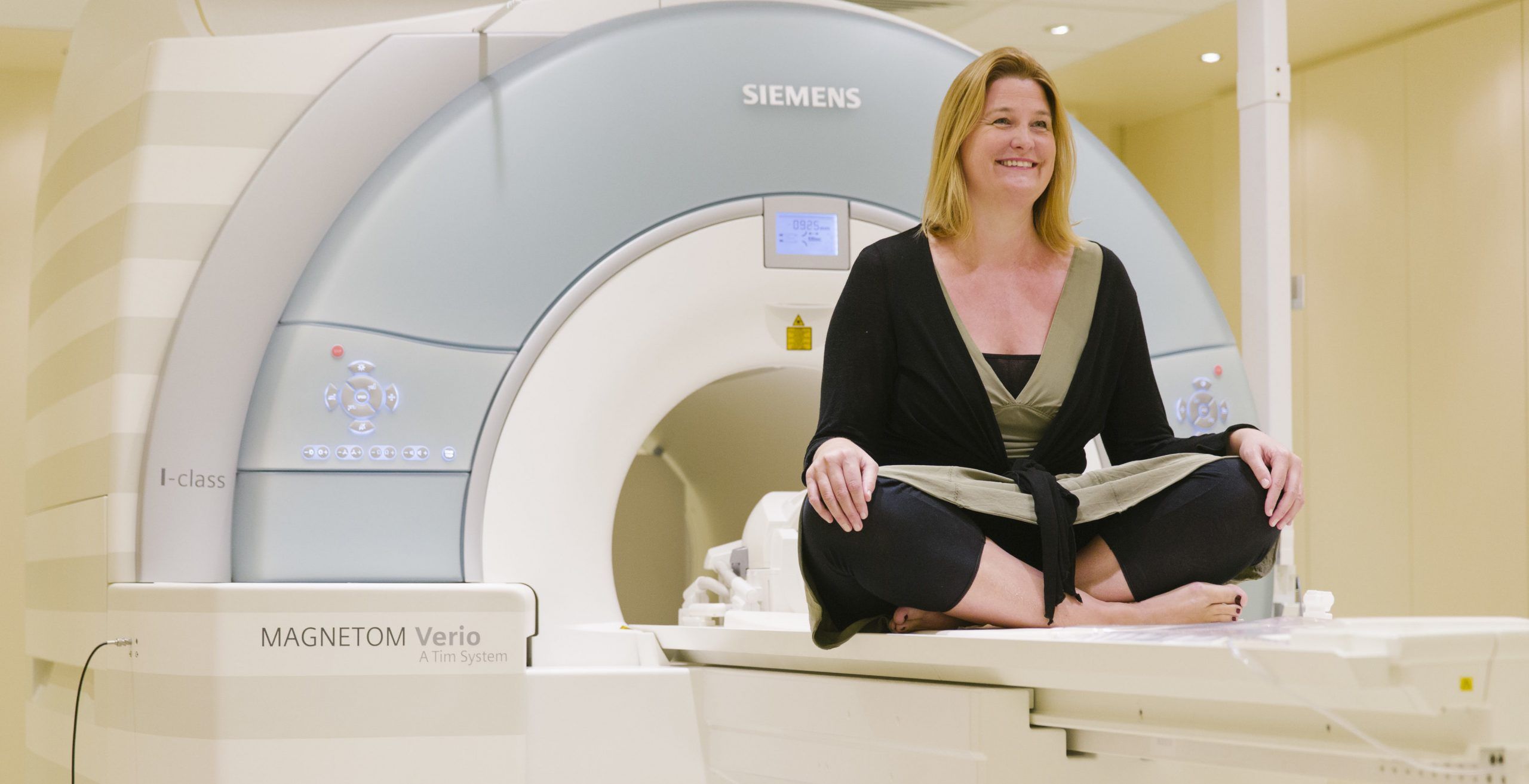
In 2004, I published the first study on the neuronal basis of empathy in the high-impact journal Science. In this study, I invited couples into the scanner environment and scanned the brain of the female partner while she was empathising with her partner who was sitting next to her outside the scanner and suffering a short, painful stimulation to his hands. This very unusual study raised vast interest resulting in many citations and helped me to break through as an empathy researcher in my new field of Social Neuroscience. I spent my last year in London in Uta Frith’s lab at UCL’s Institute of Cognitive Neuroscience in London and investigated why patients with autism spectrum disorder have difficulties with social cognition and empathy.
2006-2010
My time as a Neuroeconomist in Zürich
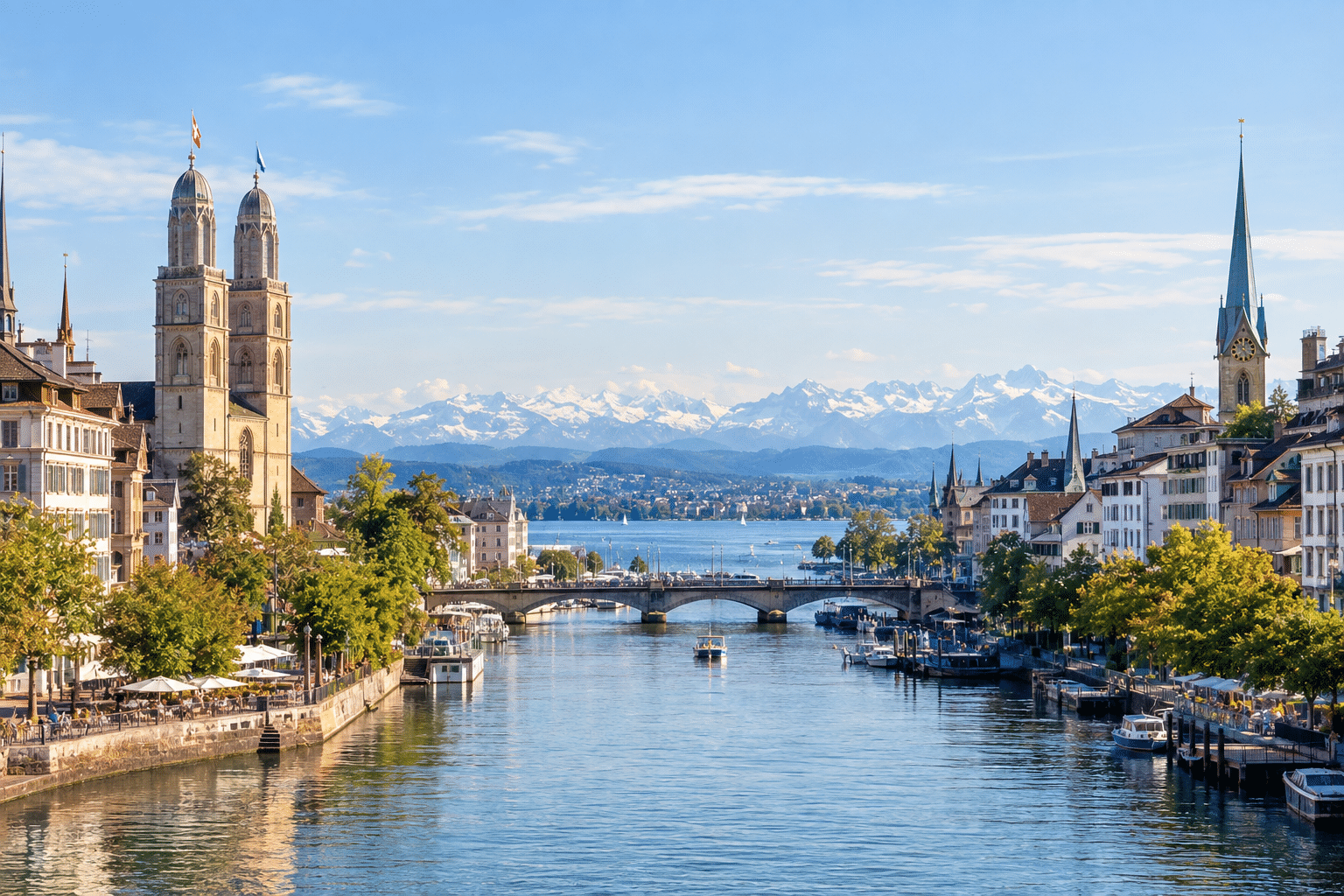
Already in my London years, I started to adapt game-theoretical paradigms derived from empirical economic research for the scanner environment to study the neural basis of cooperation and pro-social behaviours. This interest brought me together with the microeconomist Ernst Fehr in Zürich.
In 2007, after moving to Zürich and working for two years as assistant professor, I co-founded together with Ernst Fehr and Klaas Enno Stephan the Laboratory for Social and Neuronal Systems Research (SNS Lab). From 2008 onwards, I accepted as first European scholar an inaugural chair for Social Neuroscience and Neuroeconomics at the Economics Department of the University of Zürich.
During that time, I learned a great deal about existing economic models and noticed that familiar concepts such as empathy, compassion and pro-social motivation were missing in these models. It seemed that instead classical economic theories rather focused on concepts known in psychology as consumption, power/status and achievement motives. The model of Homo Economicus portrays a picture of human nature which is only self-interested and motivated to maximize its own interests, even if this is on the expense of the benefit of the greater good or the planet we inhabit. I realized that such a reduced view of human nature was partly causing many of the global problems we are facing in our modern world: poverty in the midst of plenty, increasing inequality gaps, climate crises, international conflicts as well as increasing rates of narcissism, depression and stress-related diseases.
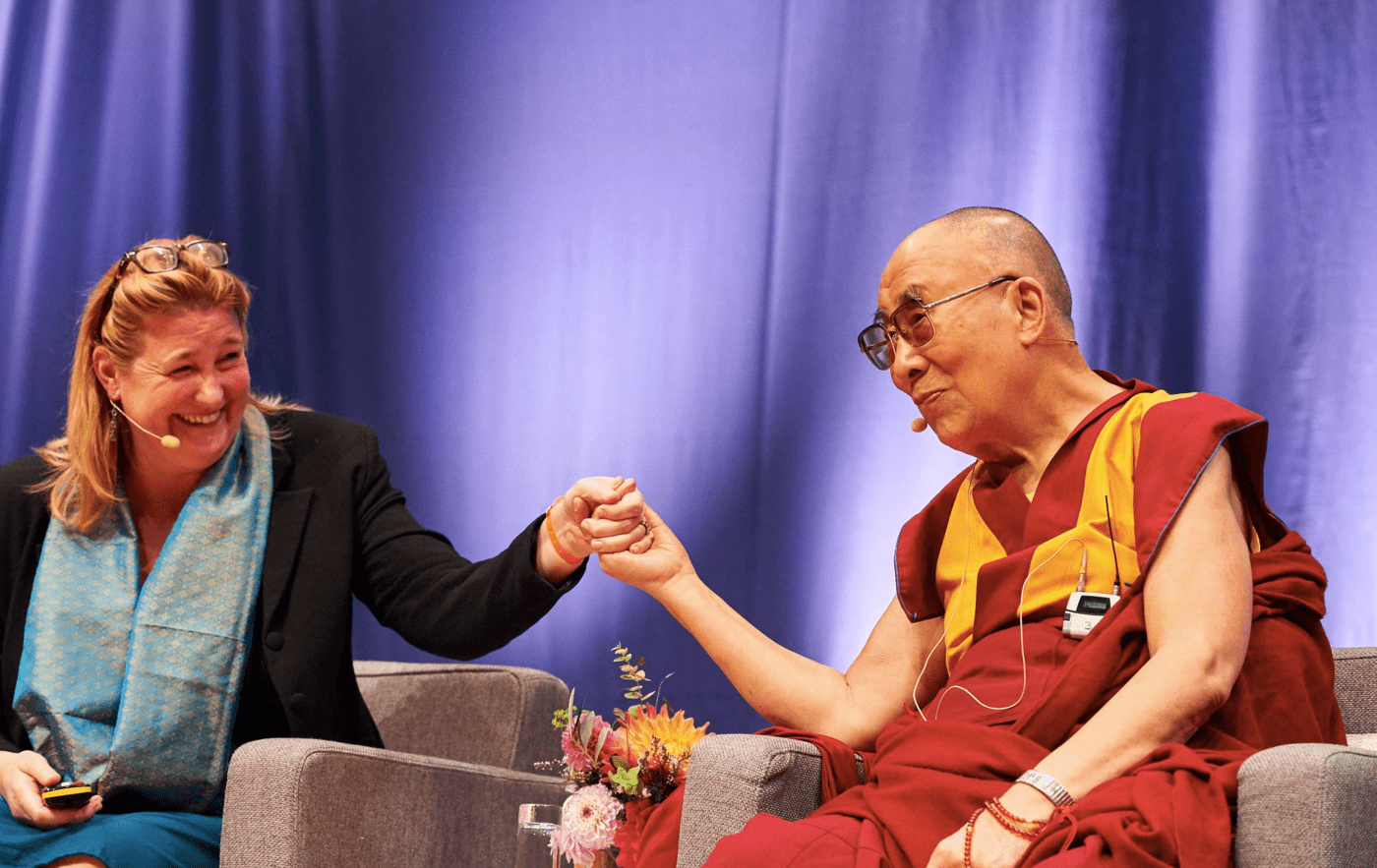
In parallel to my work with economists, I was in contact with the Mind and Life institute, an institute co-founded by His Holiness the Dalai Lama aiming at fostering the scientific exchange between Eastern Contemplative traditions and Western science. In that context, I was also working with Buddhist Monks on how to train and widen our circles of compassion through mental training.
Thus, I took the opportunity to combine my interests in economics and the contemplative and social neurosciences to propose to the Mind and Life institute to help organize a large-scale conference around the topic of “Altruism and Compassion in Economic Systems” in 2010. This conference brought scientists of diverse disciplines, economists and social activists together with the Dalai Lama and other contemplative scholars. The book “Caring Economics” summarizes the interdisciplinary dialogue of this conference.
My cooperation with economists continues through ongoing interactions with the macro-economist Dennis Snower on the topic of “Caring Economics”.
2010-2018
The ReSource Project and my Time as Max Planck Director in Leipzig
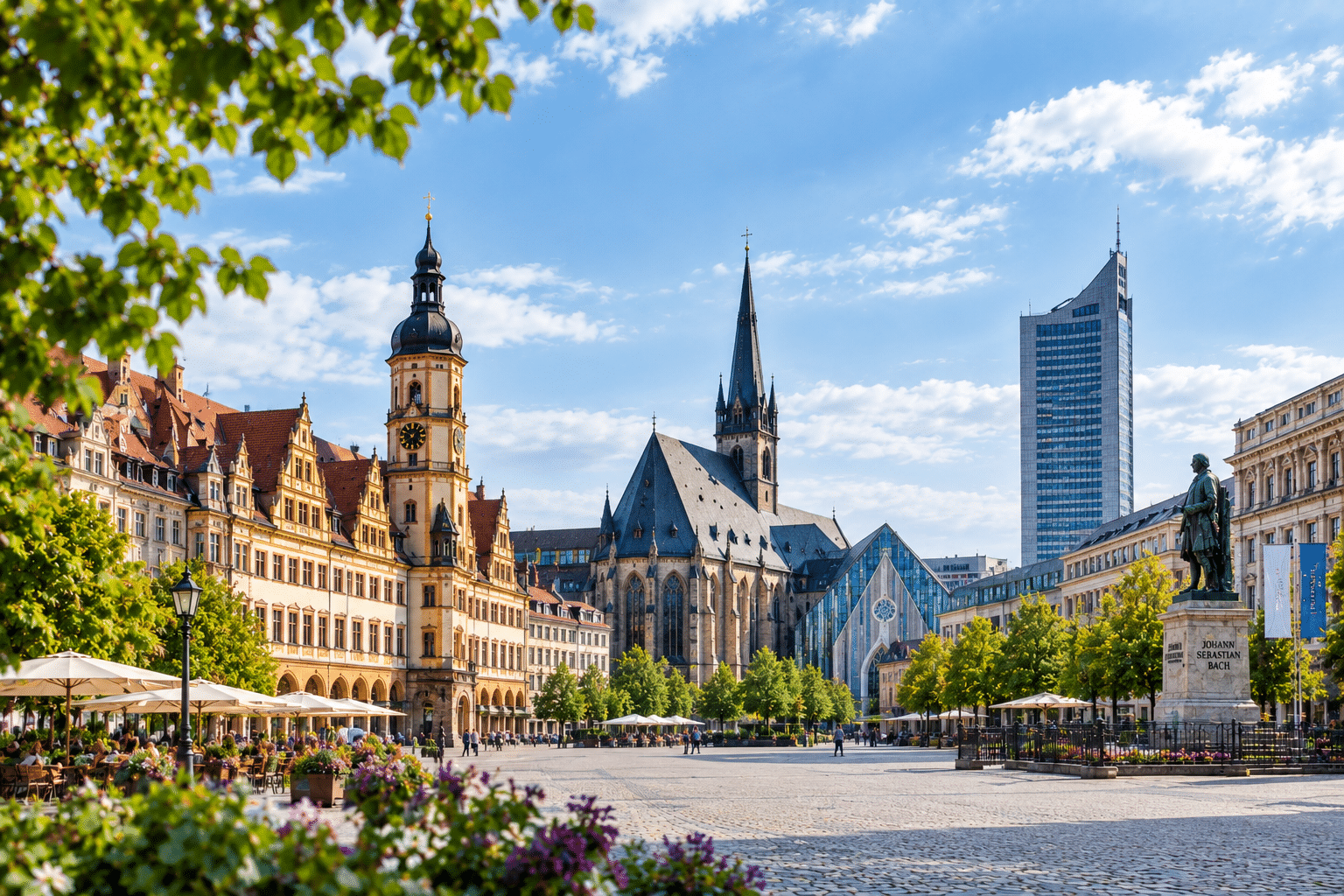
With a heavy heart, I left Zürich in 2010 to accept an offer from the Max Planck Institute for Human Cognitive and Brain Sciences in Leipzig to lead a department for Social Neuroscience.
This offered me a unique possibility to further develop and enlarge a grant project for a large-scale mental training study on the “plasticity of the empathic brain” which I had received from the European Research Council (ERC Grant) in 2008 and for which I had started important preparatory studies already.
By consequence, the eight years as a Max Planck director in Leipzig were mostly marked by the establishment of this huge and unique large-scale longitudinal mental training study on compassion: the ReSource Project. This project was not just another research study, but rather a life-time project in which I could integrate many of my previous fields of expertise as well as personal retreat and seminar experiences. The idea was to create a long-term mental training program based on both meditation and contemplative approaches from the East as well as approaches from Western psychology and neuroscience with the goal to foster qualities such as mindfulness, compassion and a better understanding of oneself and other people. This intervention program should be secular and its effects scientifically measured with a holistic approach focusing on many levels of observations: from brain, body, hormones, subjective well-being to observable behaviors and social interactions. This study was surely the most courageous and complex of all my projects so far and despite its huge success, also sometimes brought me to my own personal limits.
When moving from Zürich to Leipzig in 2010, I had first to re-build the necessary laboratories and testing environment for this multi-method study (e.g., scanner, multi-computer laboratory, satellite lab in Berlin etc.). Between 2013 and 2016, after building up a large team of researchers and support staff, we finally collected the data for this longitudinal training study from more than 300 participants at the institute in Leipzig as well as in my satellite lab in Berlin, Haus5. Since 2015, I have been working with a large group of researchers, now spread around the world, on the analysis and publication of the results of the ReSource project. So far, we could publish more than 40 scientific papers and also facilitate the transfer of this know-how into practical applications fostering resilience, mental health and social competencies in different arms of society.
Parallel to the realization of this complex mental training study on the plasticity of the social brain, I integrated my previous research interests and expertise into a holistic research program to investigate the development of the social brain in children as well as the psycho-pathological causes of social deficits in certain patient populations, such as people with autism spectrum disorder, narcissism or depression. I was motivated to better understand the causes of many modern phenomena such as the increase in narcissism, depression rates and stress-related diseases, the latter already in our younger generations.
I further continued my work to integrate neuroscience and economics with macroeconomist Dennis Snower, who was president of the Kiel Institute for the World Economy until 2018. Based on a grant from the Institute of New Economic Thinking (INET) with the Title “From Homo Economicus towards Caring Economics”, we investigated how psychology and neuroscience can inform new economic models.
At the end of 2018, after a very difficult period at the Max Planck Institute in Leipzig, I resigned as Director of the Institute there and moved to Berlin permanently in early 2019, where I had been living since 2016. In Berlin, I continued my previous work on compassion and empathy as Professor and Head of the Social Neuroscience Laboratory from the Max Planck Society in Haus 5, Humboldt University, and as of 2021, as a Head of our new Social Neuroscience lab in the JFK House near the main train station.
2019-present
Building Bridges, again as Professor in Berlin
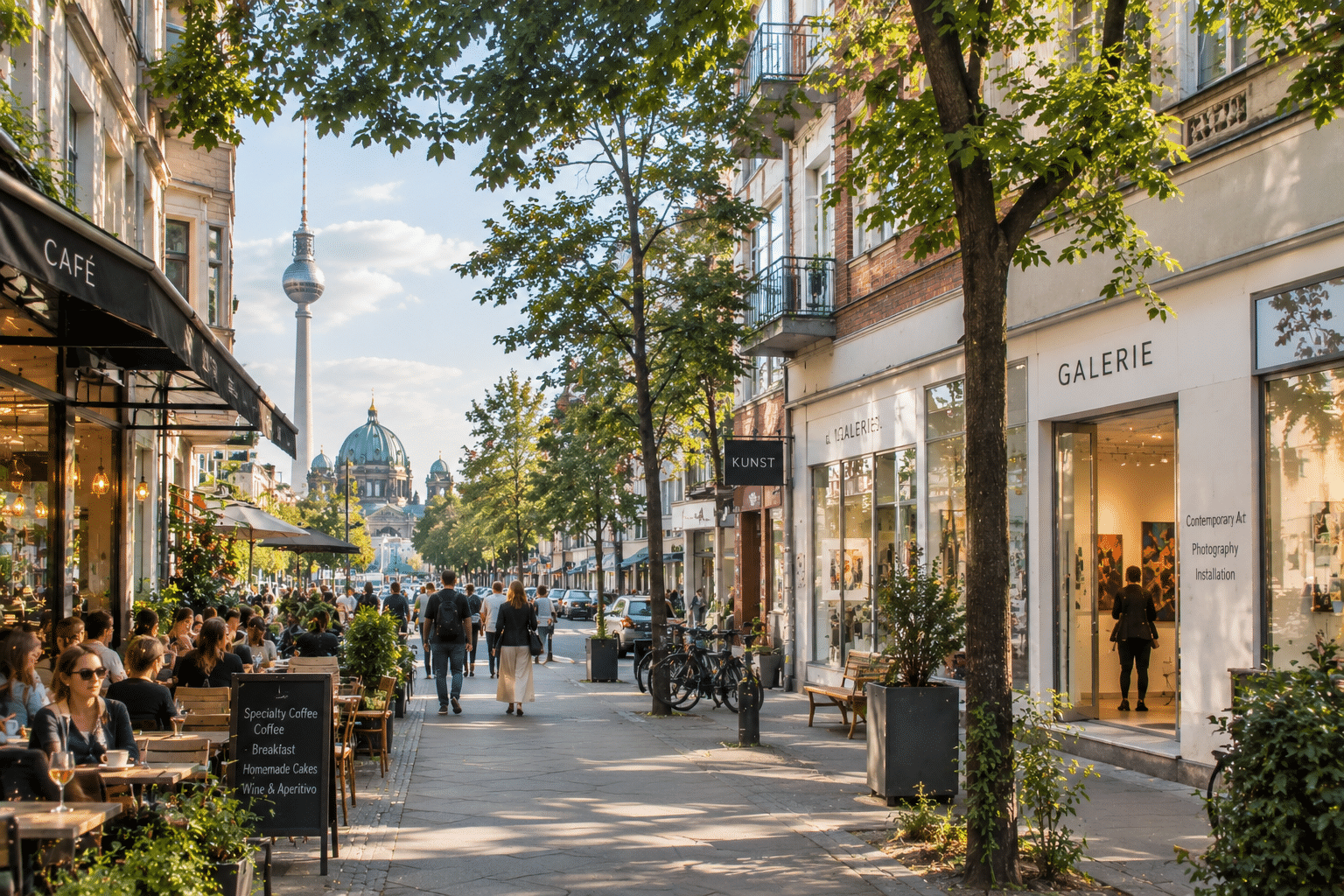
As part of my work as scientific director of the Social Neuroscience Lab in Berlin, I have implemented two major research projects: the CovSocial Project (2019–2023) and the Edu:Social Project (2024–present) with its two sub-projects Edu:Social School and Edu:Social HealthCare.
CovSocial focused on mental health, resilience, and social cohesion during the COVID-19 pandemic. In its second phase, this research project demonstrated that even a low-dose, 10-week online dyad intervention with daily dyads and weekly coaching sessions can reduce loneliness and stress while simultaneously strengthening empathy, (self-)compassion, resilience, and mental health. Building on these results, the Edu:Social Project is now bringing these approaches to society in a scalable form—into schools and healthcare settings. This research combines my foundational work in social neuroscience with my particular commitment to translating scientific findings into effective and practical applications.
My lifelong interest in exploring how inner transformation can lead to societal change has also motivated me to develop workshops and masterclasses. Since 2020, with ReConnect!, I have been developing evidence-based mental training programs and Dyad-based mental training formats for education, health, organizations, and society.
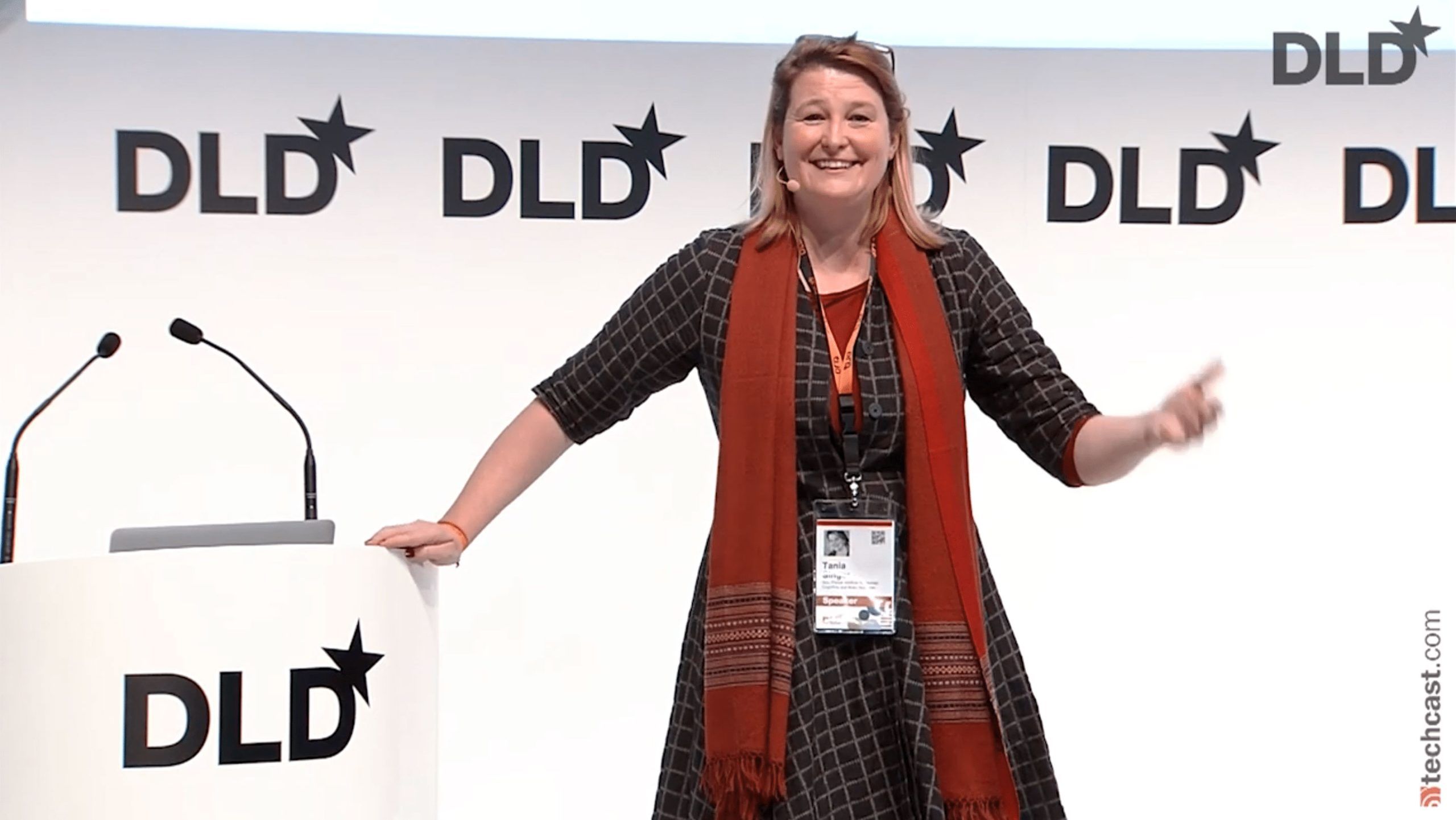
Another aspect of my translational work—making science understandable and accessible to society—involves the curation of large interdisciplinary dialogues and events at the intersection of science, politics, and art. These include major international conferences and dialogue formats with the Mind & Life Institute and the Dalai Lama, which I curated in Zurich in 2010 and in Brussels in 2016. These events brought scientific findings together with social and cultural perspectives, presented on stage and in workshops. My passion for the arts, which I developed at a young age, has also repeatedly led me to art-science collaborations, including a long-standing partnership with the Danish-Icelandic artist Olafur Eliasson.
Today I want to share my more than 30 years of knowledge from research and practice with society in a variety of ways – through lectures on major international stages, masterclasses and workshops, as well as with ReConnect! and its evidence-based Dyad programs, to make scientific findings about the social brain and the trainable skills of humans accessible and practically usable for more and more people.

Travel, Photography, Food, Singing
My Passions
My biography would not be complete if I failed to mention my passion for food, cooking and eating! For this passion I give credit to my French ancestors, particularly my French grandmother and mother – the best cooks on earth – and the never-ending family-meals of my childhood.
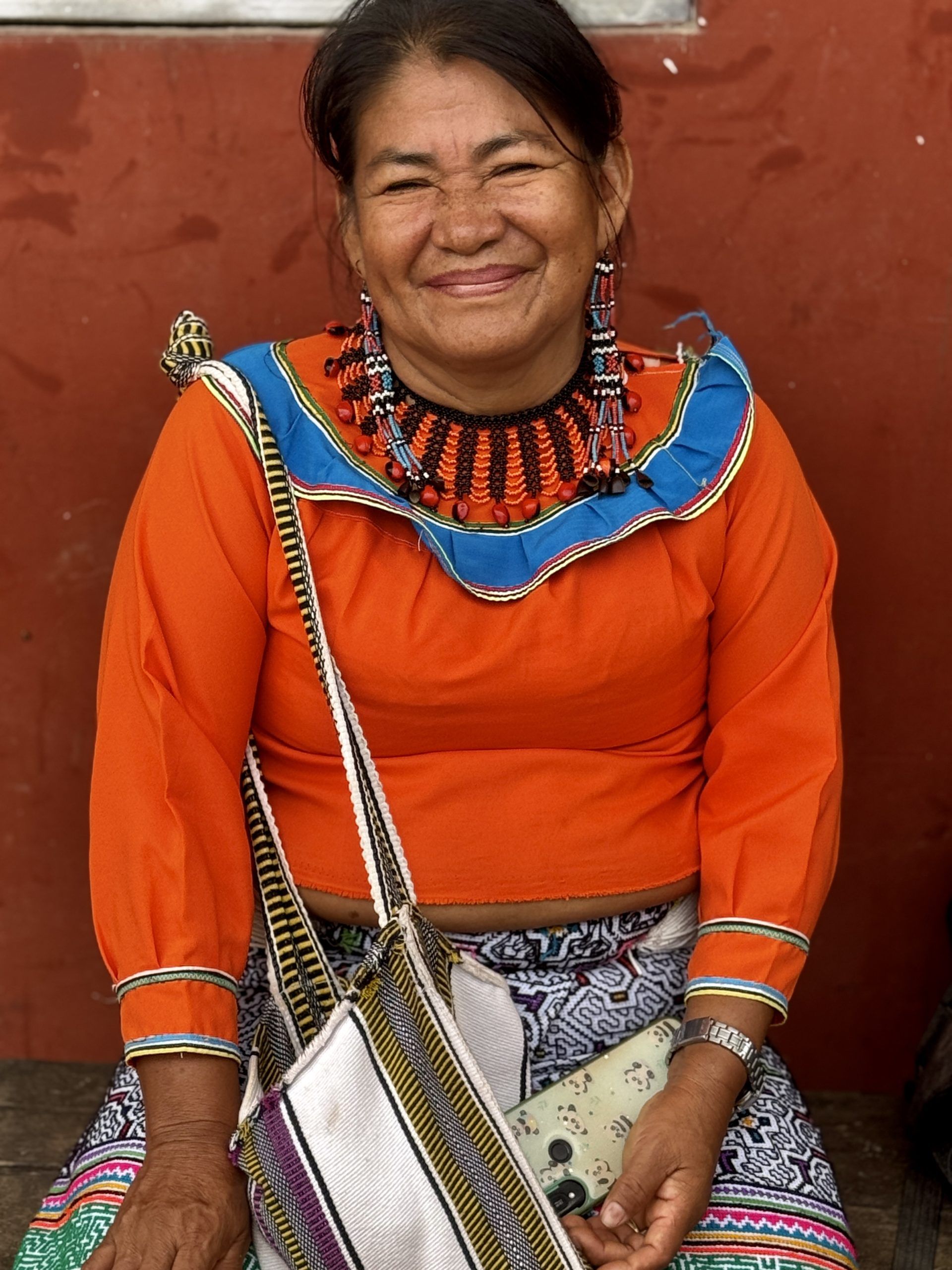
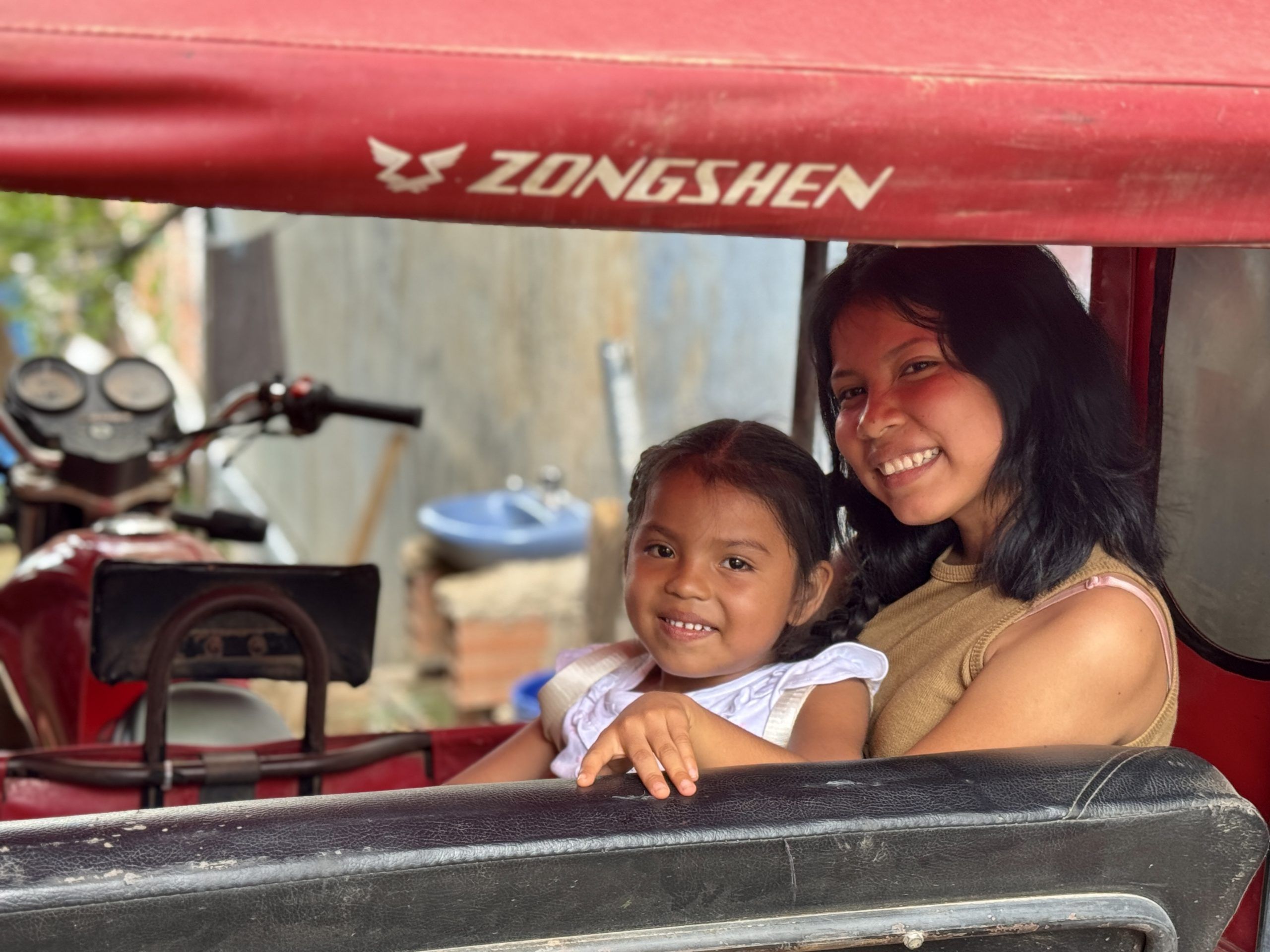
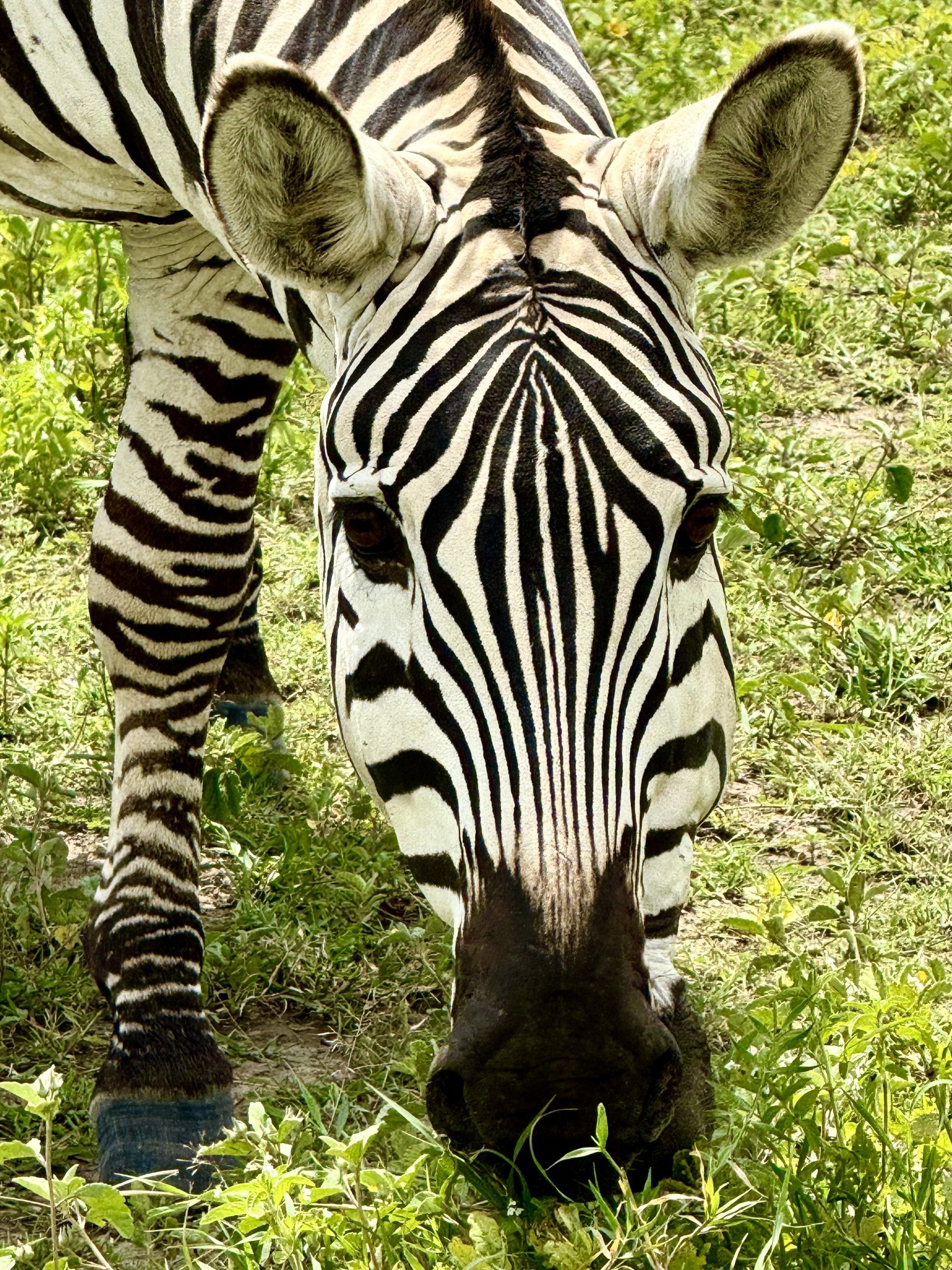
My love of singing began at an early age: as a child I consumed opera libretti like ice cream, and my first career ambition was to be an opera director. But I began singing lessons only very late in life, and very privately, seldom before an audience, but with great joy. My passion for travel was practically instilled from birth, as I come from a family of international origin, with grandparents in France and Germany, aunts and uncles in Spain and the United States, and even a great-grandmother who was Native American.
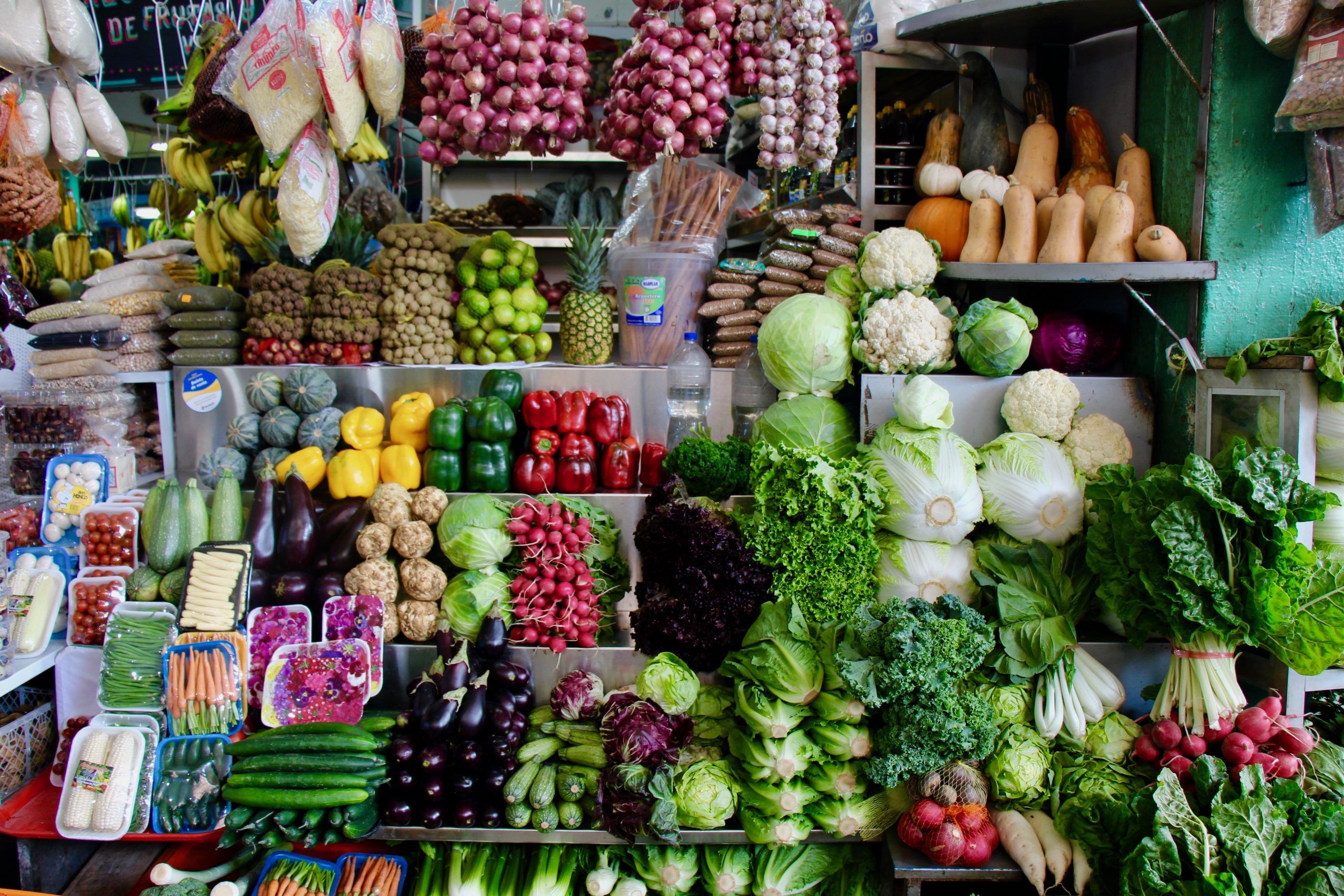
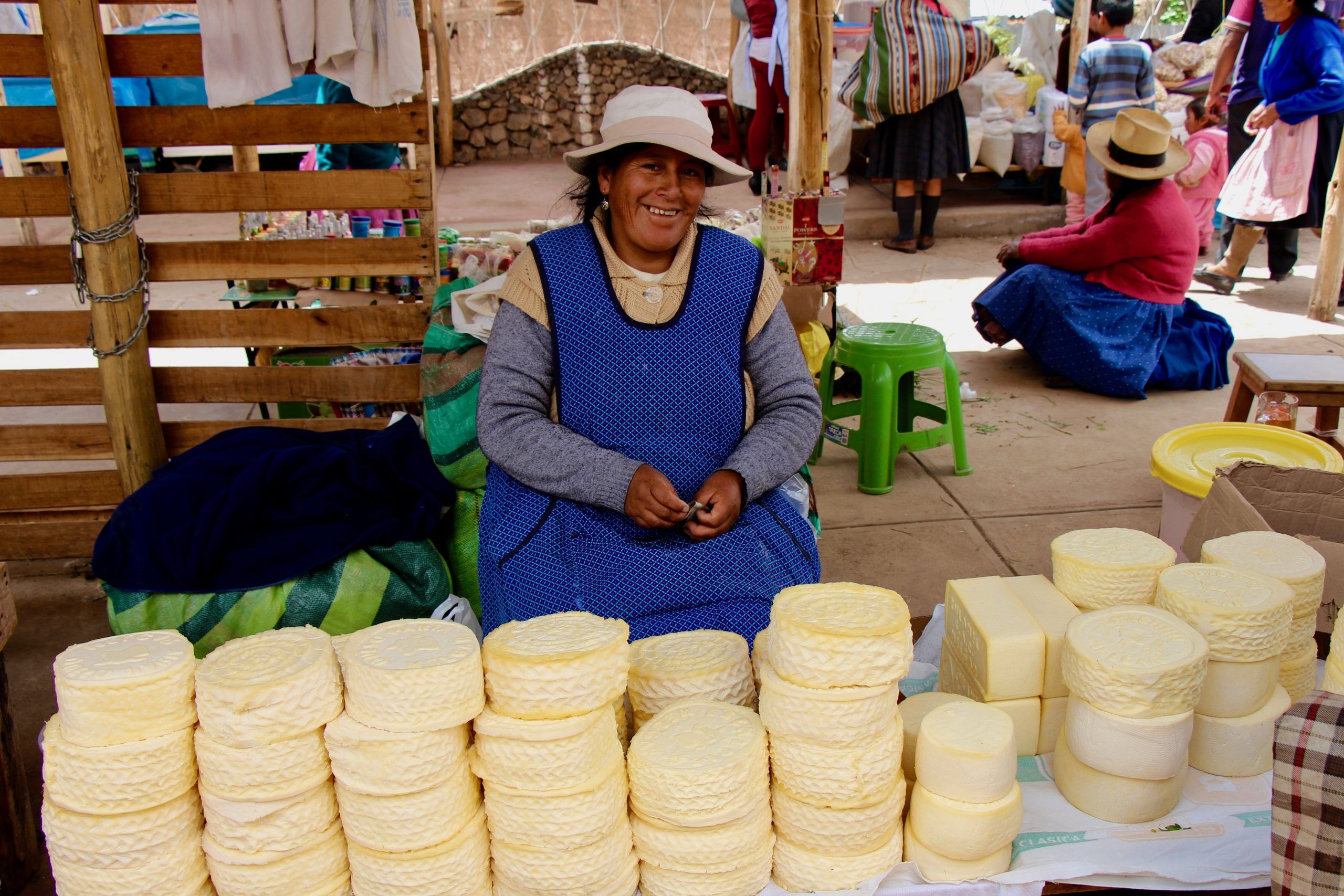
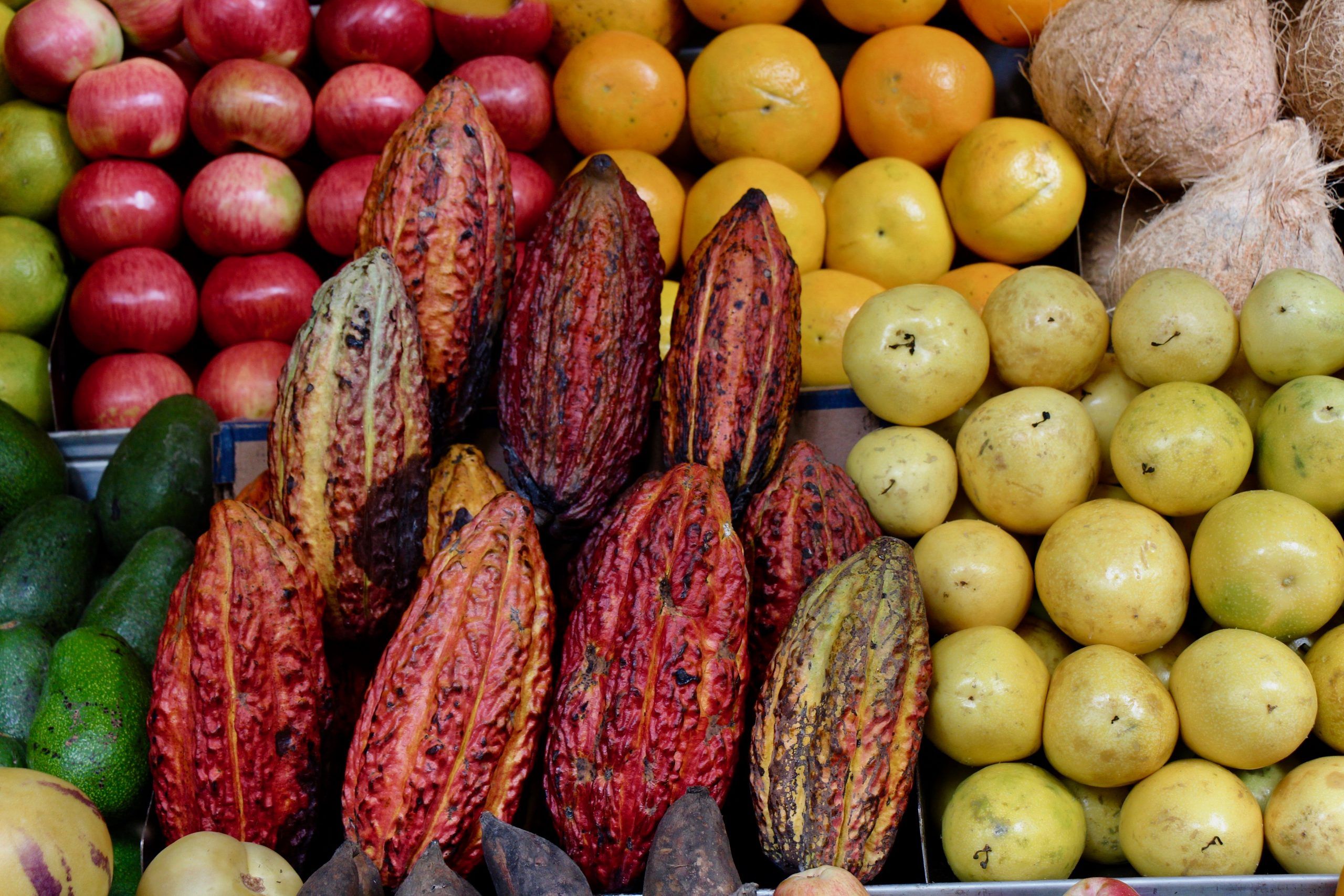
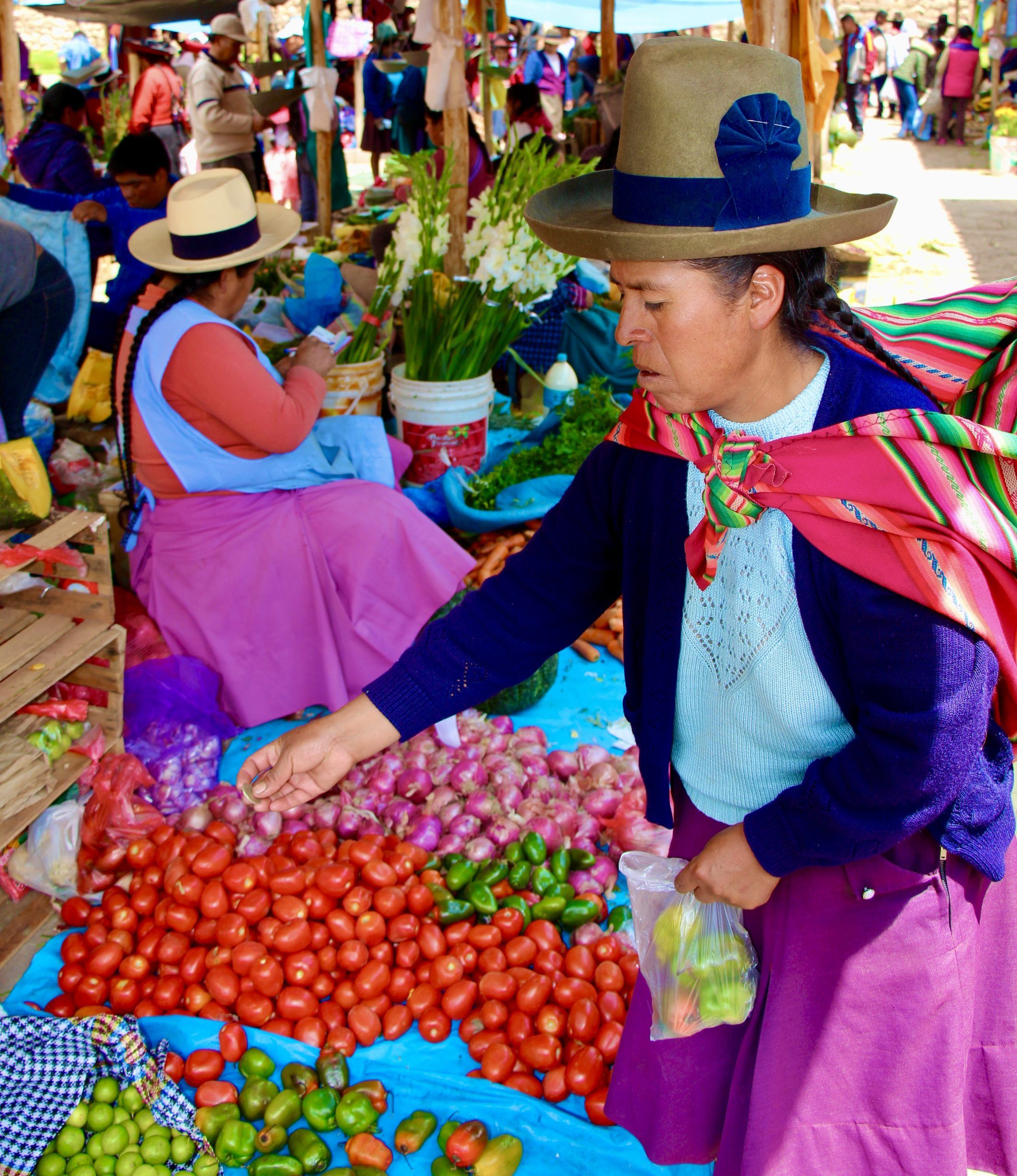
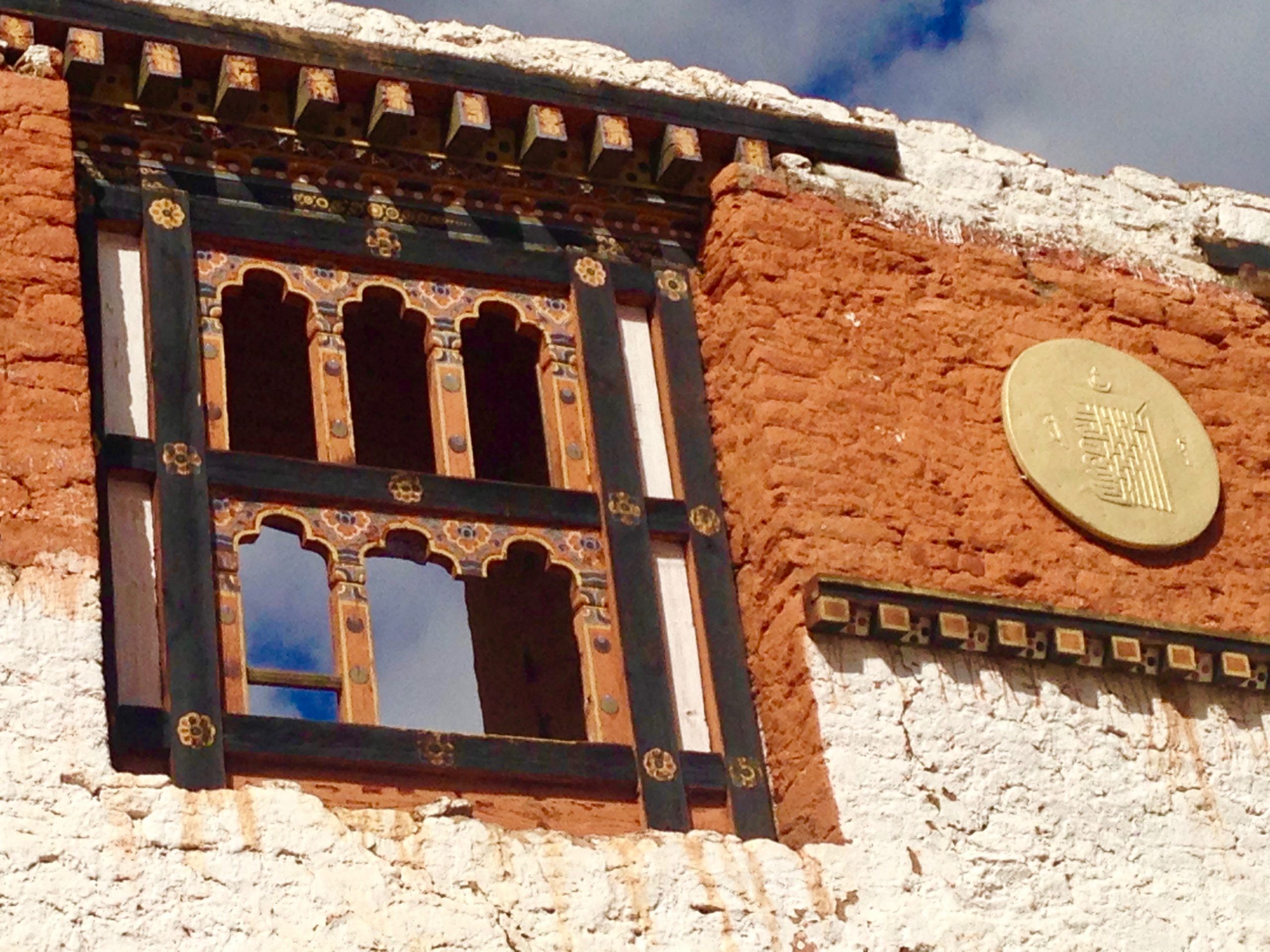
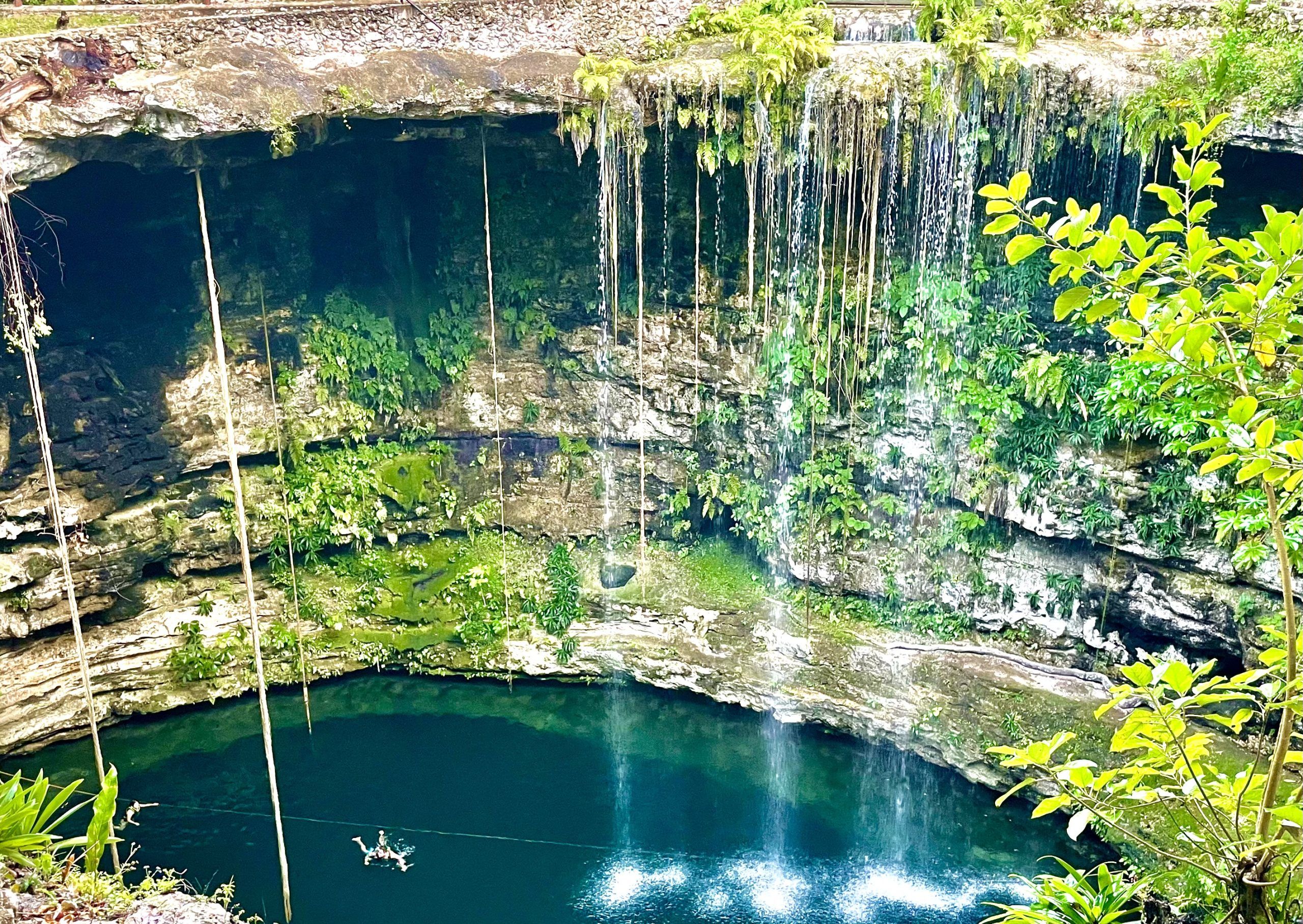
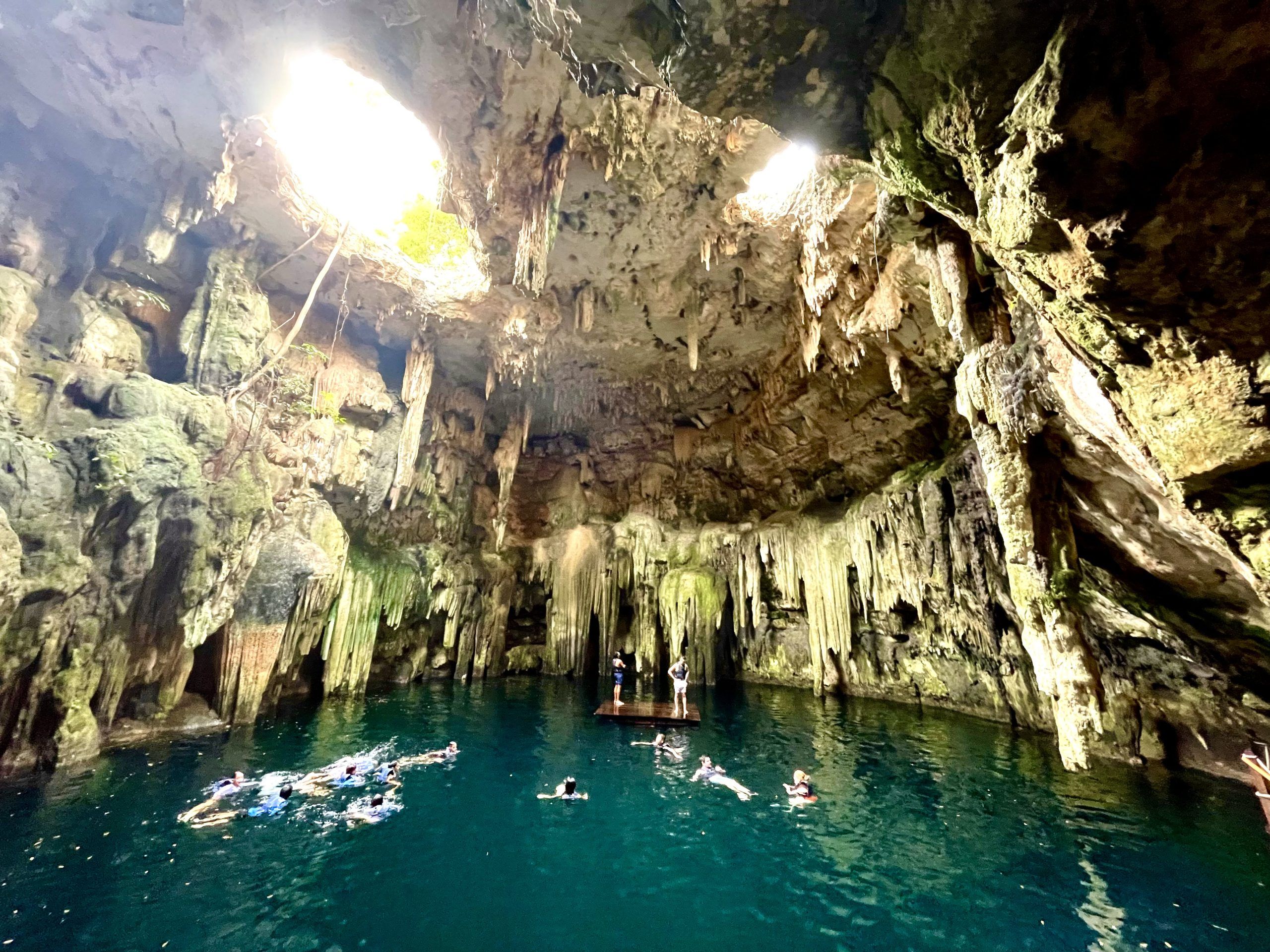
To this day I deeply enjoy to stroll over food markets, take photos and love to discover the different cultures through their food and cooking. See some examples below!