

Professor Dr. Tania Singer is a social neuroscientist and psychologist known worldwide for her research on empathy and compassion. She is passionate about building bridges between fields that rarely interact, such as neuroscience and economics, research and art, or the natural sciences and contemplative traditions from the Far East. For example, she has combined knowledge from psychology and social neuroscience with economic approaches to develop new economic models based on the concept of “Caring Economics,” which emphasizes care and social cohesion.
“I love building bridges between fields that rarely interact.”
More than 30 Years of Devotion to Research
Inspired by Far Eastern spiritual traditions, she initiated and conducted one of the world’s largest meditation-based mental training studies on compassion: the ReSource project. This was followed by the CovSocial and Edu:Social School and Health Care projects; research projects that brought low-threshold mental training programs for promoting social skills and resilience into society—in a scalable way. Throughout her life, Tania has repeatedly explored how internal processes of change can lead to societal transformation, putting science at the service of social change.
Fields of Expertise: Building Bridges between Disciplines

Understanding the person holistically
A Multi-Disciplinary Approach
In answering her interdisciplinary research questions, Tania Singer is using a holistic, multi-method approach, using measurement methods from different fields. The most important methods and indicators used are:
- Functional Magnetic Resonance Imaging (fMRI)
- Electroencephalography (EEG)
- Transcranial Magnetic Stimulation (TMS)
- Bio- and Hormonal Markers
- Autonomic Nervous System Measurements
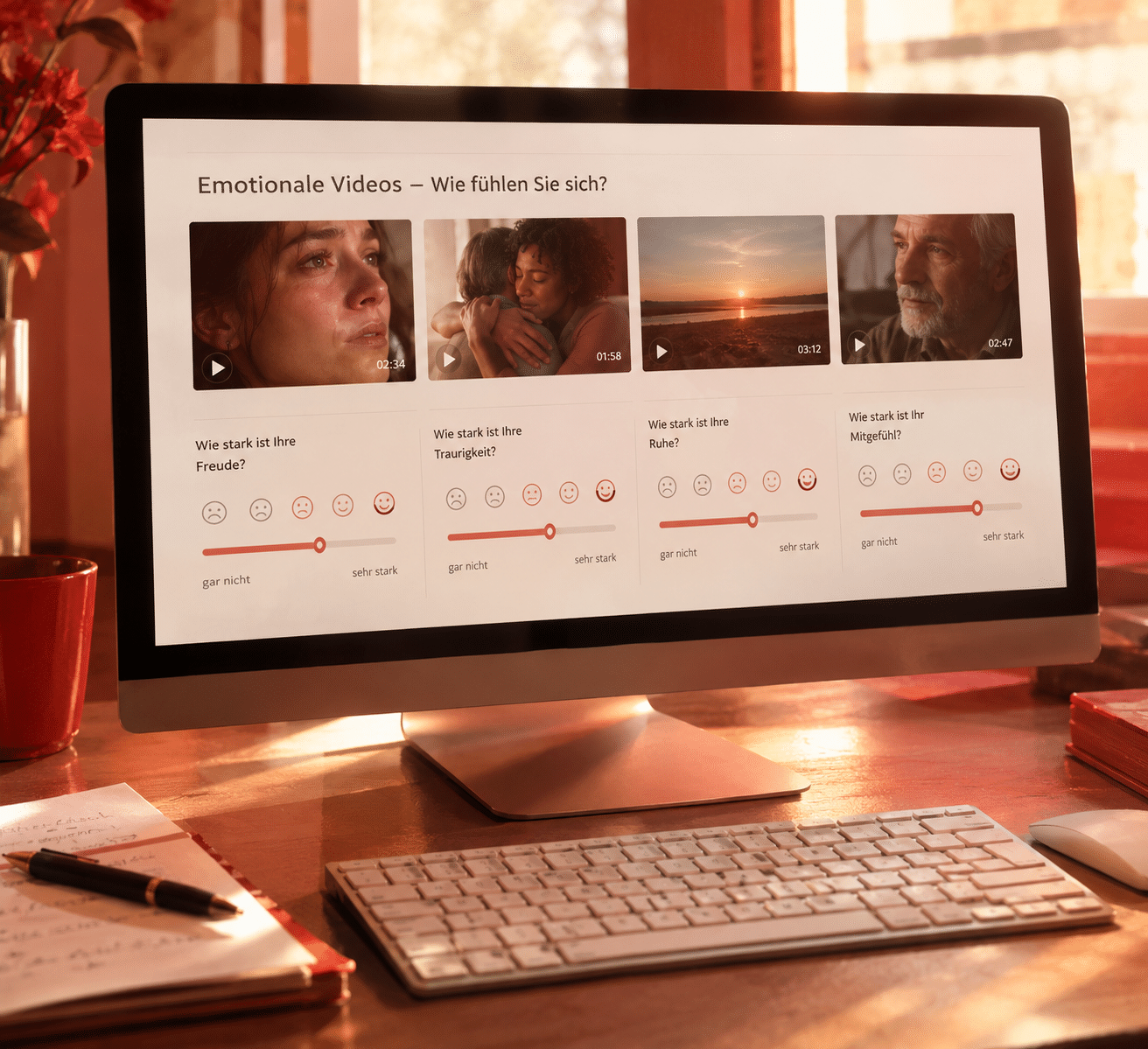
- Psychological Computer Tasks
- Game Theoretical Paradigms
- Virtual Reality Worlds
- Voice Analysis
- Eye-Tracking
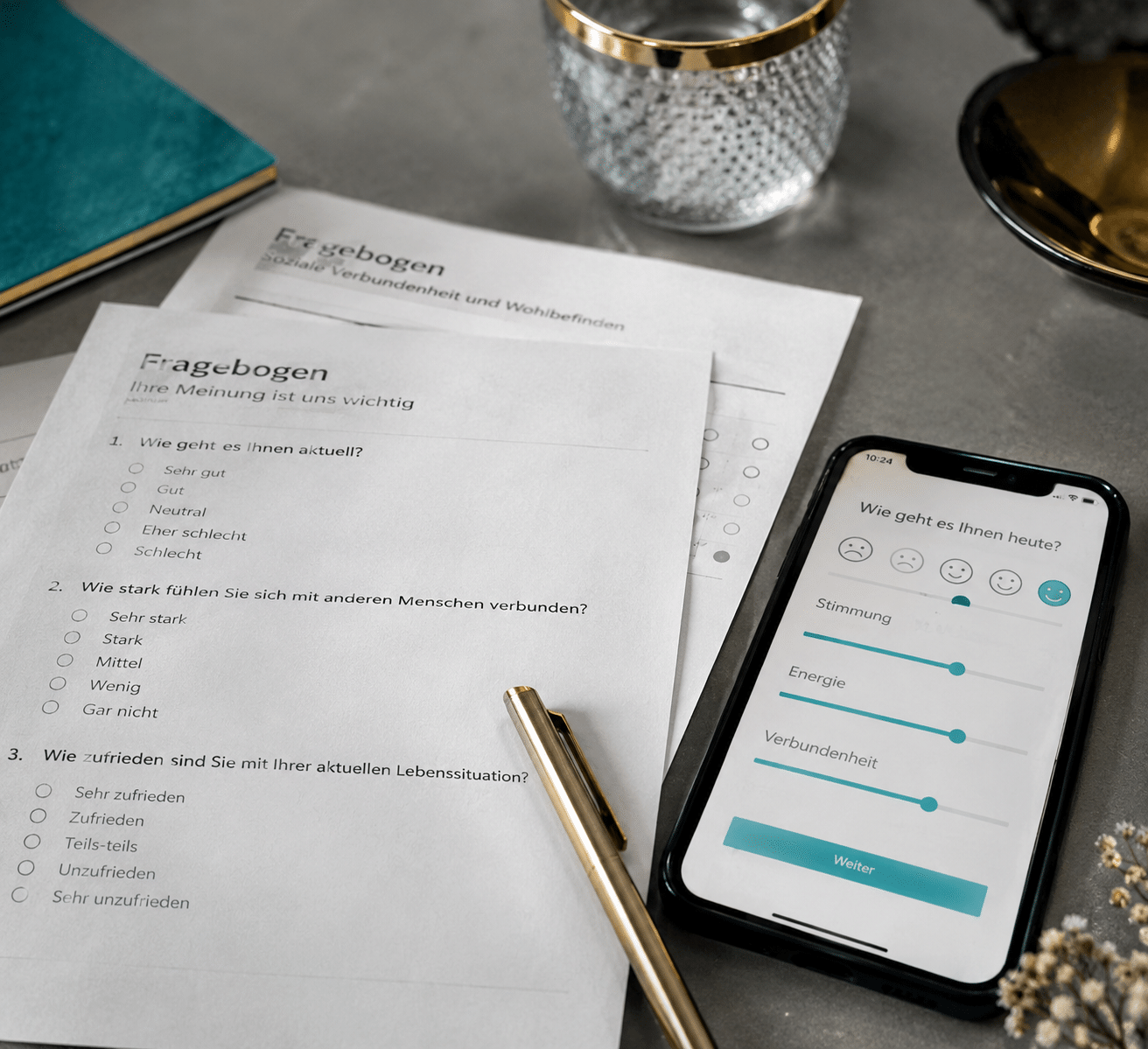
- Trait and State Questionnaires
- Self-Reports
- Ecological Momentary Assessment (EMA)
- App-Based Assessments
- Microphenomenological Interviews
- Qualitative Data
Towards greater social skills, resilience and health
Neuroplasticity Research
After mapping the neuroscientific foundations of the social brain—particularly empathy, compassion, and perspective-taking—Tania Singer began to explore a new question while she was in London: can these social and emotional skills be specifically trained? This is how her research turned to the investigation of the plasticity of the social brain.
Here, she sought inspiration from the contemplative sciences and from the centuries-old practice of Buddhist monks, who devote their lives to cultivating qualities such as compassion, empathy, and inner peace. This has led to the development of various secular mental-training programs that combine scientific research with meditation, mindfulness, and compassion practice, to explore how social and emotional skills can be trained and developed through regular practice.
Selected Projects by Tania Singer
Mental Training Programs
2026 – present
Edu:Social School

Teachers are shaping our future, but they face challenges such as lack of staff, high workloads and lack of support. In this challenging environment, the Edu:Social School project offers a multi-week study based on the principles of mindfulness and social-emotional partner-based online learning programs that promote such qualities as empathy, compassion, social cohesion, resilience and mental health. The aim is to improve personal well-being and social interaction in day-to-day school life through these scientifically-based education programs and to reduce the alarming risk of burnout, given the emotional and institutional challenges of day-to-day school life.
Given the emotional and institutional challenges of day-to-day school life, the Edu:Social School project aims to be a pioneer in developing innovative solutions to support resilience in the classroom. Successful previous interventions, such as the CovSocial project, have already shown positive effects on mental health and social skills, as well as an alleviation of stress. These results are based on short mindfulness-based and partner-based social and emotional dyadic practices. These online programs allow the development of social skills such as compassion and empathy—skills that are essential in everyday school life for both individual and group well-being. The training is to be made particularly accessible and practical through a mobile application and online teacher-led coaching. Participation in the Edu:Social school project thus promises effective stress management methods and simultaneously offers the opportunity to make a significant research contribution to the field of education.
The project is divided into two stages. In the first phase, about 150 teachers attended our 10-week socio-emotional, partner-based training program. In the second phase, various multi-week mental training programs are offered, and their effects on mental health and social interaction are compared.
2026 – present
Edu:Social Health Care

Healthcare workers are increasingly under high social, emotional and structural pressure. Studies show that nurses, doctors and other health professionals are particularly prone to fatigue, loss of empathy and symptoms of stress. At the same time, social emotional skills such as empathy and compassion, as well as social cohesion, are key resources for effective patient-to-patient interaction and quality health care. The Edu:Social Health Care Project addresses precisely this need.
The joint project of the Max Planck Society’s Social Neuroscience Laboratory and the Paracelsus Medical Private University (PMU) offers a unique opportunity to participate in an evidence-based socio-emotional online training program to strengthen personal well-being and social skills in just a few weeks, preparing participants mentally for current and future health care challenges.
The Edu:Social Health Care research study aims to support current and future health professionals by offering a free, evidence-based, eight-week training program for students in all degree and university programs at PMU and for health professionals to strengthen their social and emotional skills and resilience. These mental health trainings have been successfully developed and scientifically tested in a number of previous studies (ReSource, CovSocial, Edu:Social School projects) and have repeatedly shown positive effects on resilience, mental health and social interaction. The program also promotes tolerance, social cohesion and a greater understanding of one another.
To train the social brain, the program—a study intervention—consists of daily, clearly structured, 13-minute exercises, performed through an app with a randomly selected partner, who changes weekly. This so-called daily dyadic practice is reinforced by weekly 1.5 hour online coaching sessions with trained trainers, with short psycho-biological lectures, Q&A sessions and small group discussions.
In the research study—a so-called non-randomized controlled intervention study—validated, standardized (short) questionnaires are used alongside smartphone-based mini-computer tasks before (pre-test), during (Ecological Momentary Assessment via Smartphone) and after the 8-week training program (post-test) to record improvements in mental health, resilience, social skills, social cohesion or attitudes towards interprofessionalism.
2024 – present
Edu:Social Projekt

The Edu:Social project of the Social Neuroscience Lab at the Max Planck Society investigates the effects of socio-emotional online training programs in education, healthcare, and business.
Building on previous projects such as the CovSocial project, which demonstrated that 10 weeks of online training in mindfulness exercises or new socio-emotional exercises with partners, known as dyads, strengthened socio-emotional skills such as empathy, (self-)compassion, as well as resilience and mental health, we now aim to implement these scientifically validated training programs in education, healthcare, and business.
Edu:Social is based on the results of two successful and unique research projects carried out by Professor Tania Singer. The ReSource project, a comprehensive long-term study of mental training based on the principles of mindfulness and compassion, examined the effects of different types of meditation and mental practice on the brain, health, stress, well-being, and social behavior. The CovSocial project examined the impact of the Covid-19 pandemic on the well-being, behavior, stress levels and social cohesion of adults in the Berlin metropolitan area. In the second phase, the study looked at the impact of a 10-week digital mindfulness or social emotional partner-based learning program on resilience, mental health and social skills. The Edu:Social project builds on the CovSocial study and is currently examining the implementation of such online mental health education programs in specific settings such as schools and health care facilities.
2019 – 2023
The CovSocial Project – Mental Health and Training during the Covid-19 Pandemic

The CovSocial project was developed by Tania Singer and her Social Neuroscience Lab in the wake of the Covid-19 pandemic. She looked into an online 10-week coaching program with 12-minute couples’ exercises every day, called Contemplative Dyads.These social meditation exercises increased social cohesion, skills and resilience, and reduced anxiety, social stress and depression.
The COVID-19 pandemic has had a profound impact on the mental health and everyday social life of many people around the world.
In its first phase, the CovSocial project sought to shed light on these key changes related to the pandemic by assessing longitudinally many markers of mental health, resilience and social cohesion in a large sample of Berliners throughout the many lock-downs in the yeas of 2020/21.
In the second phase, we examined whether we could reduce the increased loneliness and psychological vulnerability observed in Berliners by simple 10-weeks mindfulness-based or dyadic socio-affective online mental trainings.
A Trailer, Best-Of and Summary-Talk of the CovSocial findings featured by the recordings of our Symposium from December 2022 can be found here.
First descriptive findings on selected measures focusing on mental vulnerability, psychological resilience and social cohesion from the first phase are available here
2013 – 2019
The ReSource Project
The ReSource project is a globally unique, large-scale study on mental training using Western and Far Eastern methods of mind cultivation. Over a period of eleven months, interested laypeople were introduced to a wide range of mental exercises designed to train skills such as attention, body and self-awareness, healthy emotion regulation, self-care, empathy and compassion, and perspective-taking. Overall, the training aimed to improve mental health and social skills, for example, to reduce stress, achieve greater mental clarity, increase life satisfaction, and learn to better understand other people.
The name ReSource has two meanings: it means rediscovering one’s own resources and it means building resources that will help one live a healthier and more balanced life.
We are living in an increasingly complex and globalized world, faced with climate and health crises, depleted resources and social and economic disparities. On a more individual level, we are seeing an increase in stress-related diseases, depression, and feelings of loneliness. This is increasingly common among younger generations, even though we seem to be more connected than ever thanks to the Internet and social media.
Thus, we need to develop wider perspective and mental skills to help us navigate this new reality more effectively. In addition, interpersonal and social skills are becoming a prerequisite to succeed in our increasingly digital and global world.
The core questions of the ReSource project are:
- Can we counteract the negative effects of an increasingly distracted mind by stabilizing our minds and attentions through mental exercises?
- Can we cultivate social skills like empathy and compassion through short, secularized mental practices?
- Can we increase resilience and reduce social stress?
- Can we teach people to feel more socially integrated?
- Can we encourage altruistic and cooperative behaviors?
- Can we extend our circle of compassion to become truly global citizens?
Translational Social Neuroscience
From the Laboratory to Society
In recent years, Tania Singer has been increasingly focusing her research the field of Translational Social Neuroscience—translating and presenting social neuroscience findings to society: how can scientific findings and resulting intervention programs not only be published but also translated and offered in a way that reaches people in their daily lives and has a social impact?
This has resulted in various formats and projects – from the e-book How to Train Compassion: Bridging Science and Practice, a collaboration with the artist Olafur Eliasson, to the easy-to-read brochure from the CovSocial project, which visualized the effects of the Berlin lockdowns on mental health, loneliness and social cohesion.
With ReConnect!, this development is taking a further step: insights from over two decades of research on social neuroscience, mental training, and the trainability of social and emotional skills are translated into concrete, everyday practice programs. This creates a bridge from the laboratory to society—and from research back to life.

Translation of Research into Society
Brochures • Films • Books
How the Covid-19 lockdowns of 2020/21 affected the mental health and social cohesion of Berlin’s inhabitants—scientific findings presented in an easily understandable way for politicians, journalists and the public.
A 900-page e-book from a joint workshop of science and art: insights from compassion research, practical exercises and perspectives on compassion cultivation—created in 2011 in the studio of artist Olafur Eliasson.
Science becomes practice: ReConnect! translates more than two decades of research on social neuroscience and the trainability of social skills into practical dyad programs for increased connectivity, empathy, compassion and mental health.
BBC: The surprising dark side of empathy (2022)

